
Mashq Studio › Arabic calligraphy › Free Arabic calligraphy
Free Arabic calligraphy to download
71 lines set in Arabic calligraphy, each as an SVG and as a PNG with a transparent ground, beside its meaning and its source. The letters are drawn outlines with no font inside, so they scale to any size.
Want your own words, or another script? The Arabic calligraphy generator sets them free. What a downloaded file may be used for is in the terms of use.
Quran (11)Hadith (6)Dhikr (2)Arabic proverb (12)Poetry (36)Attributed saying (4)
Quran
The verses are given as MASHQ's own pieces carry them. A printed verse deserves care in where it is placed.

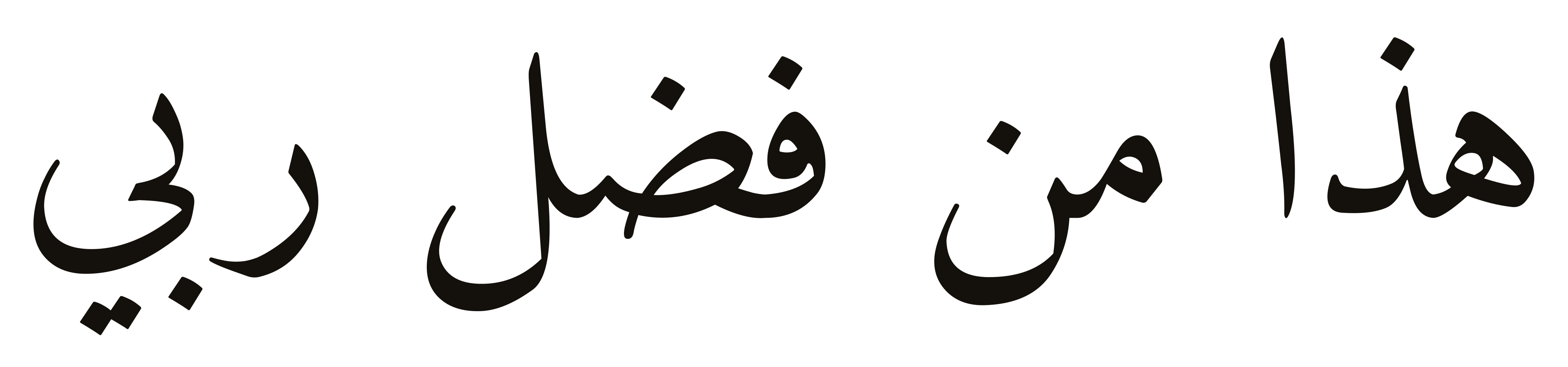
And say: my Lord, increase me in knowledge
وقل رب زدني علما
Quran — Sūrat Ṭā-Hā, 20:114
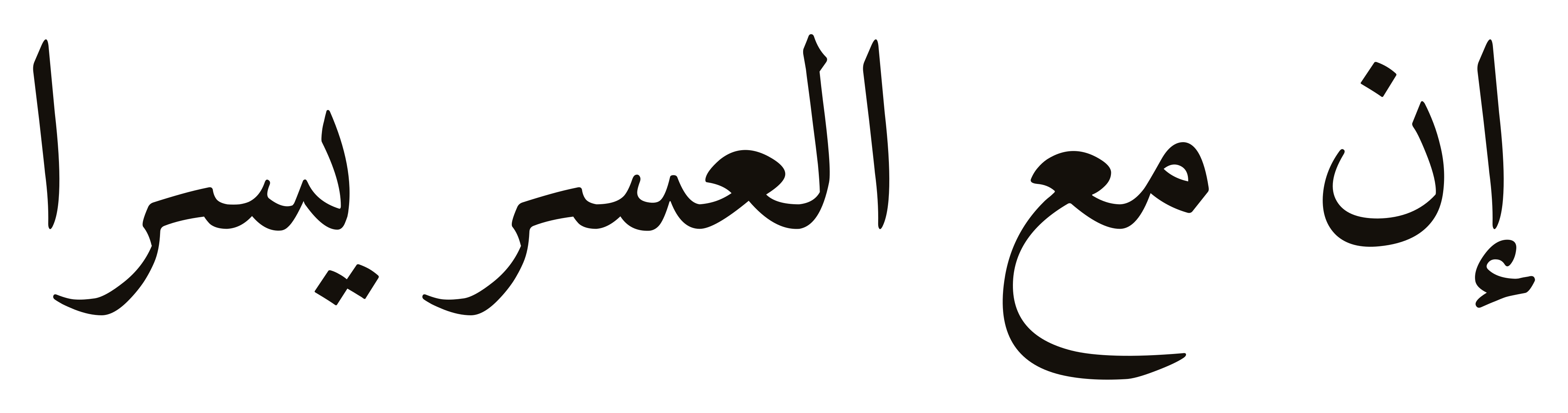
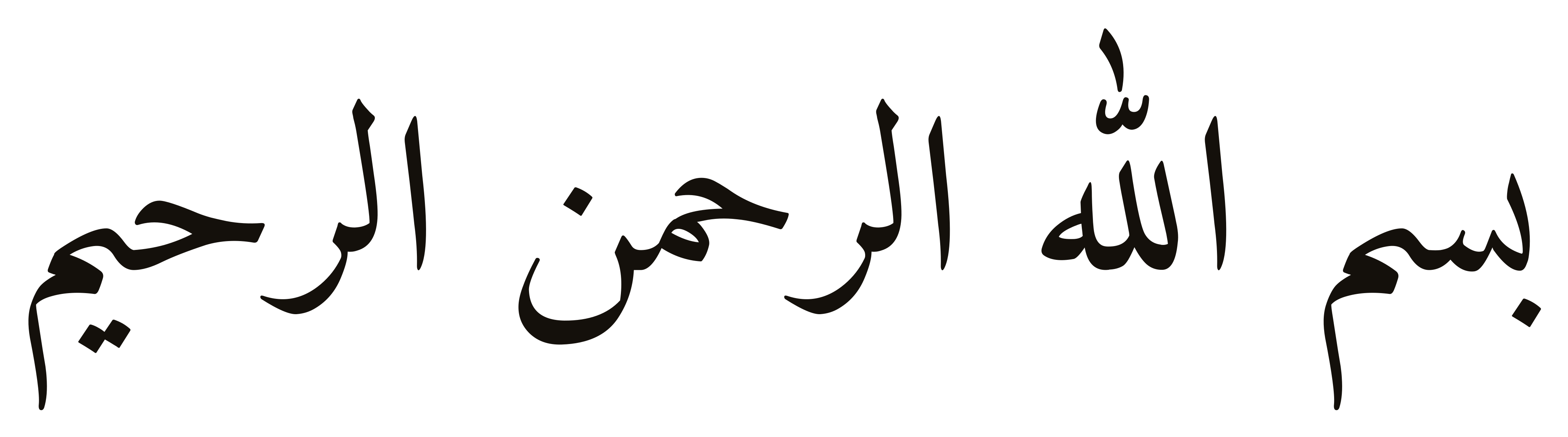
In the name of God, the Most Gracious, the Most Merciful
بسم الله الرحمن الرحيم
Quran — Sūrat al-Naml, 27:30; the opening of every sura but one
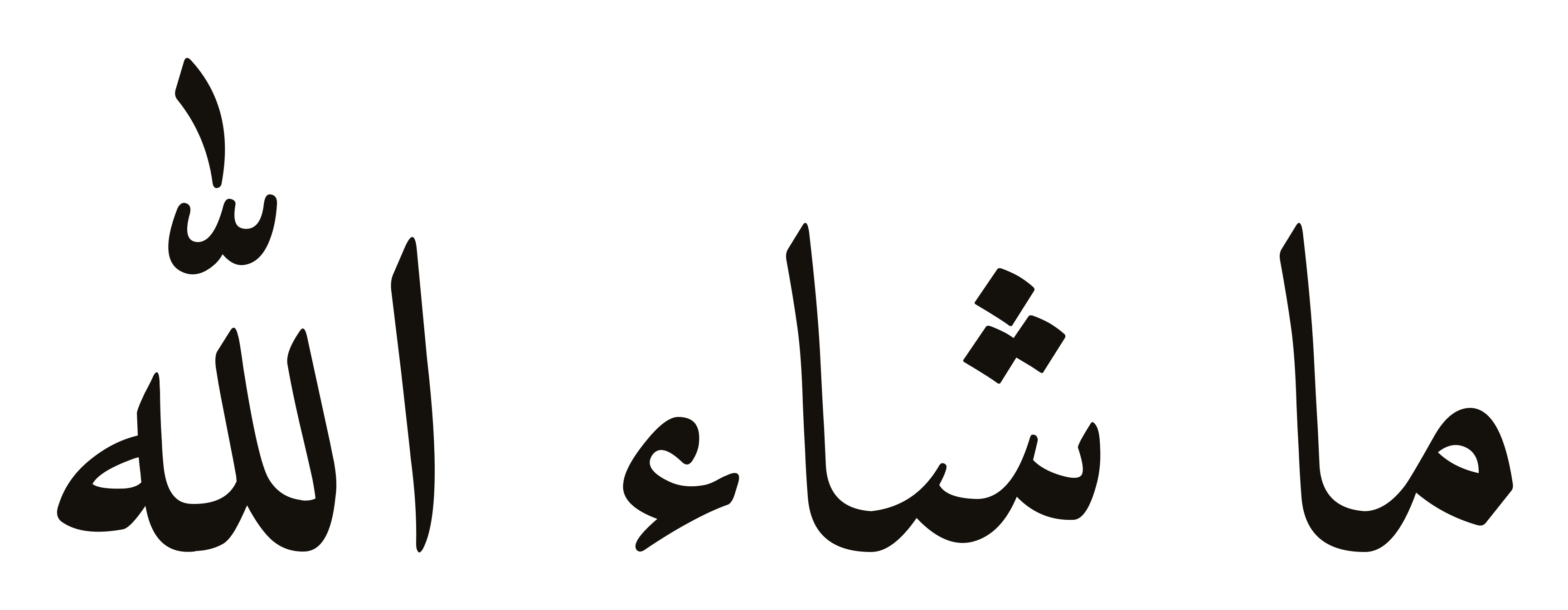
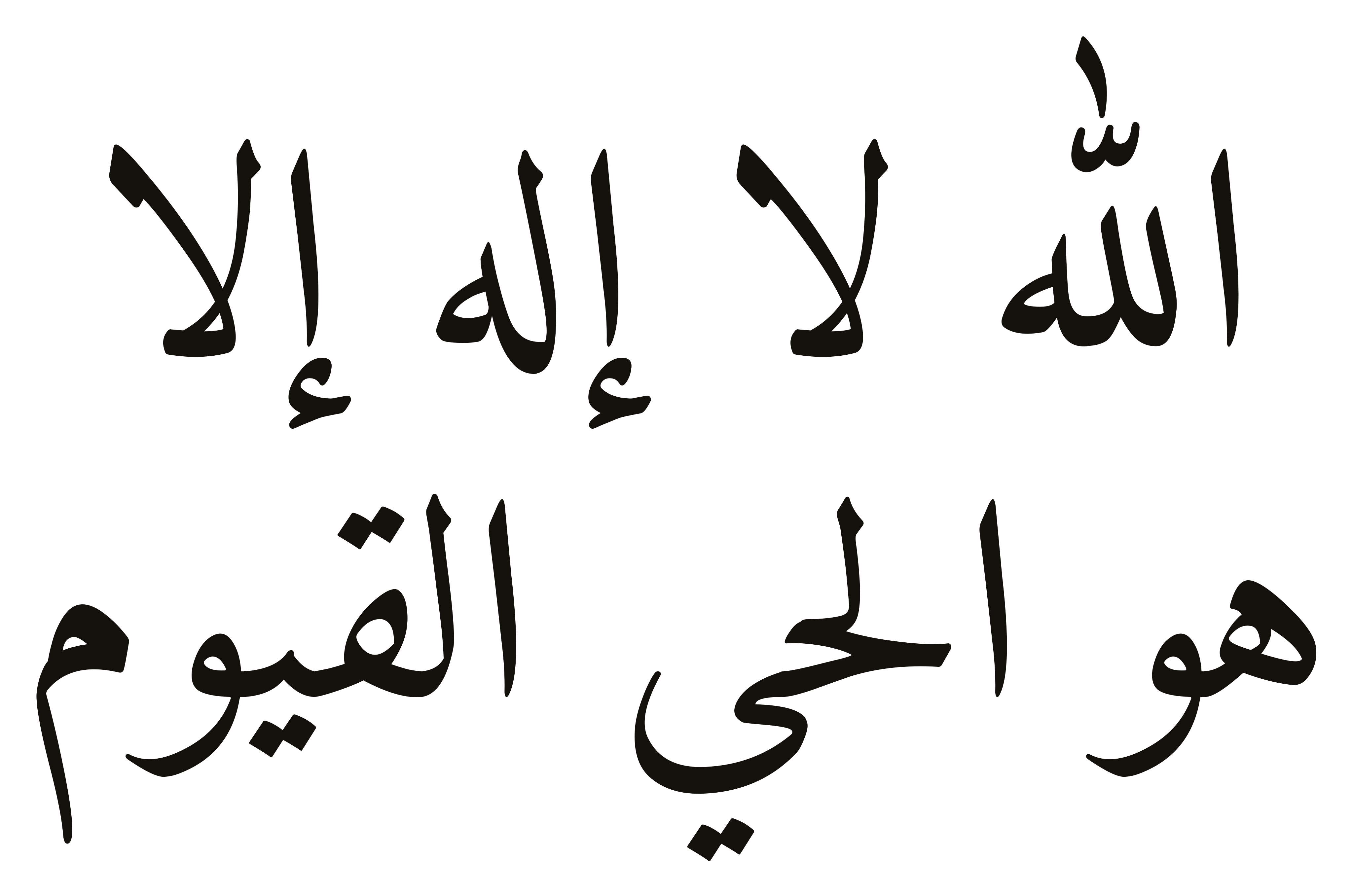
God — there is no god but He, the Ever-Living, the Sustainer
الله لا إله إلا هو الحي القيوم
Quran — Sūrat al-Baqara, 2:255, the opening of Āyat al-Kursī
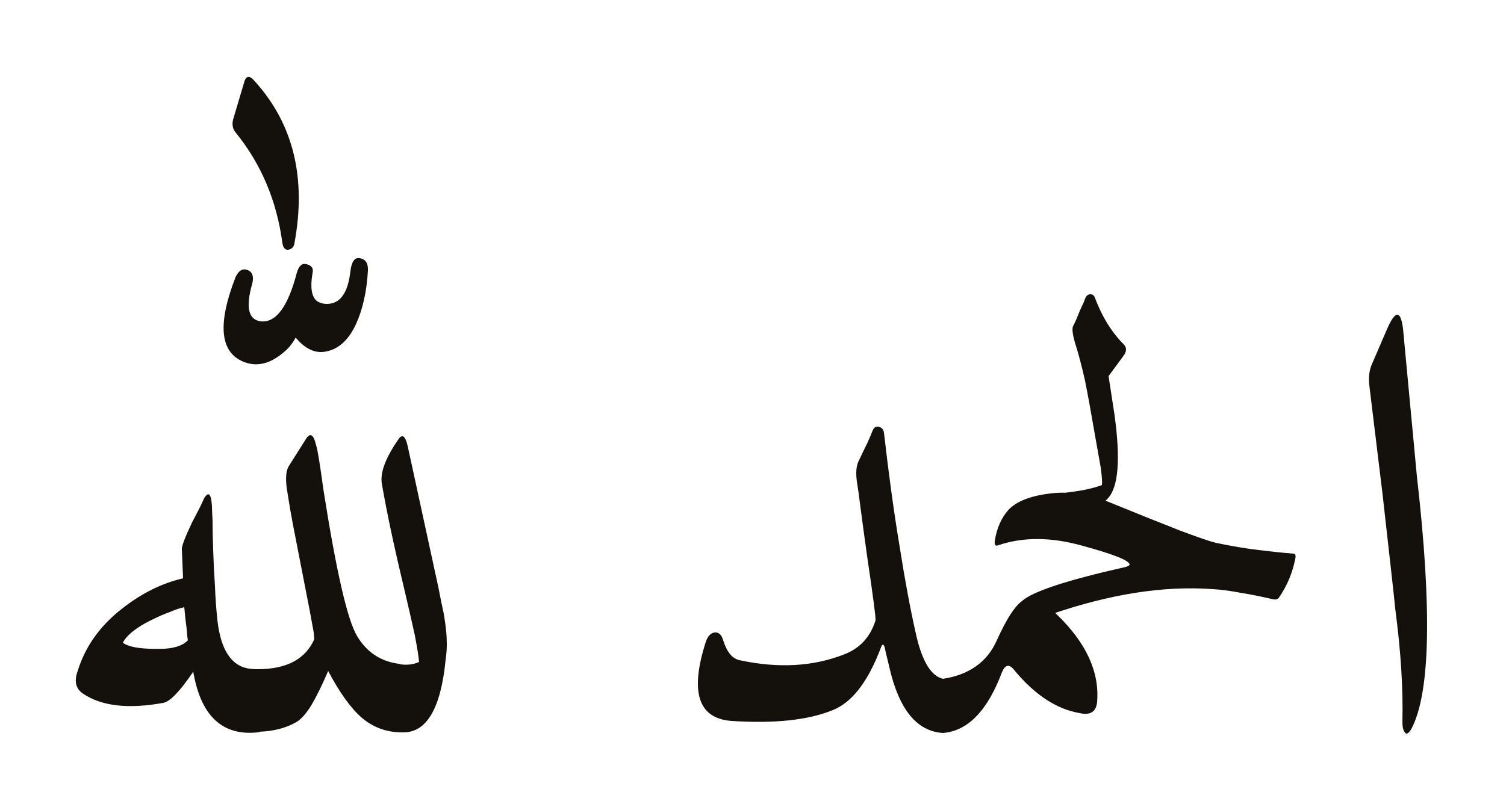
Praise be to God
الحمد لله
Quran — Sūrat al-Fātiḥa, 1:2 («الحمد لله رب العالمين»); the two words are the commonest phrase of thanks in Arabic
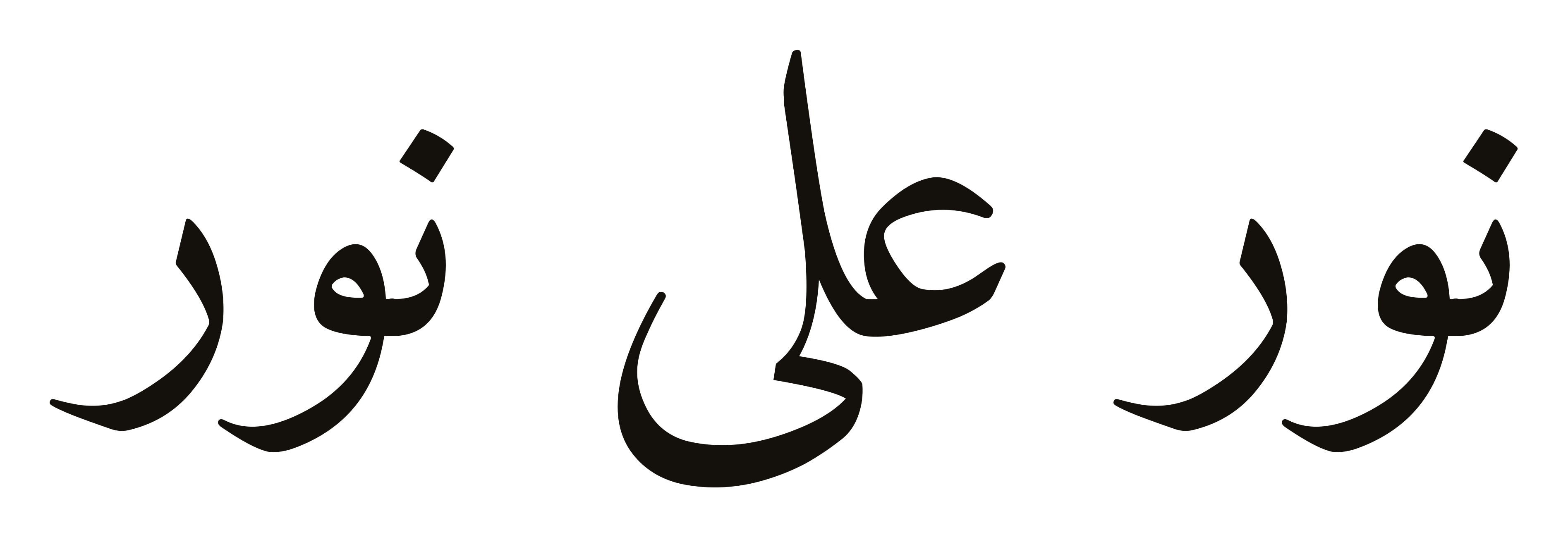
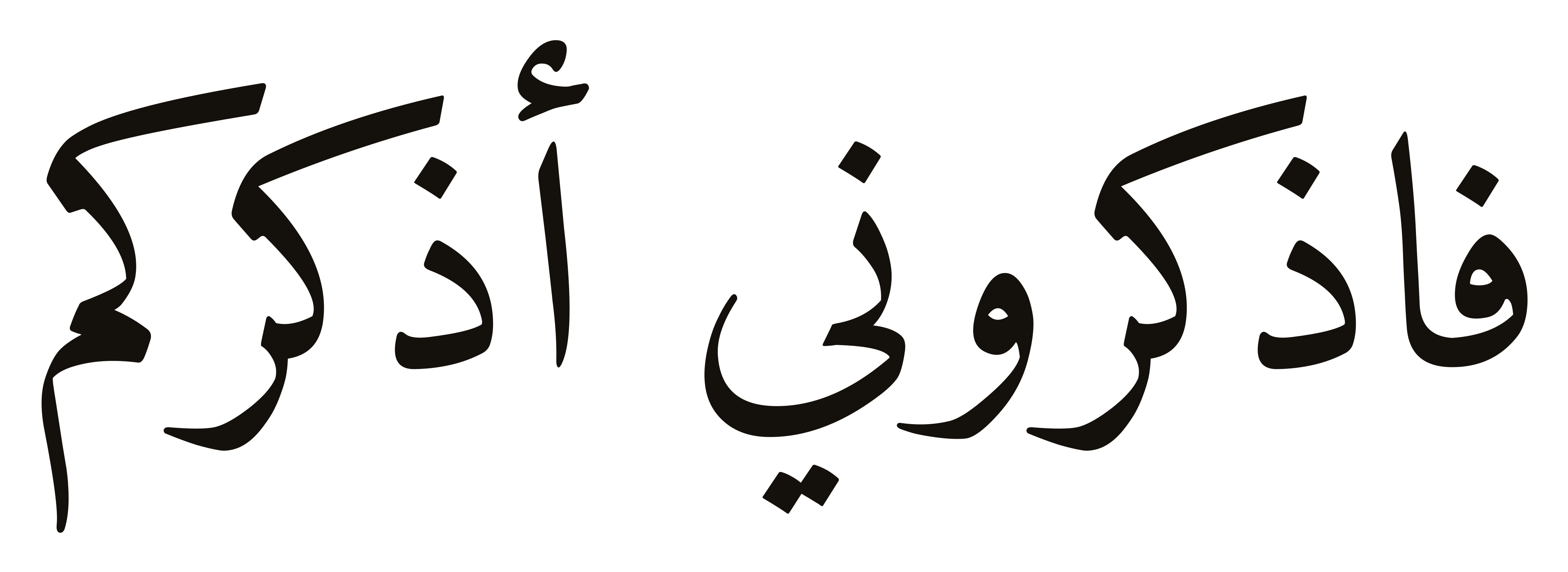
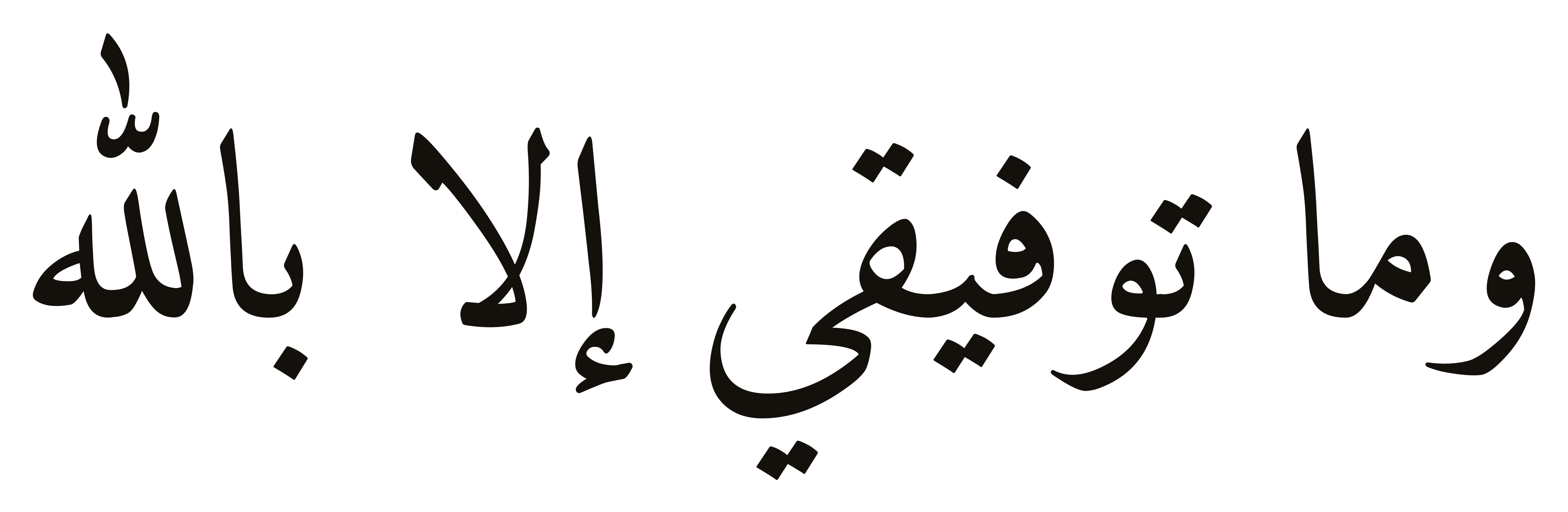

My Lord, enable me to be grateful for Your favour
رب أوزعني أن أشكر نعمتك
Quran — Sūrat al-Naml, 27:19, and Sūrat al-Aḥqāf, 46:15
Hadith
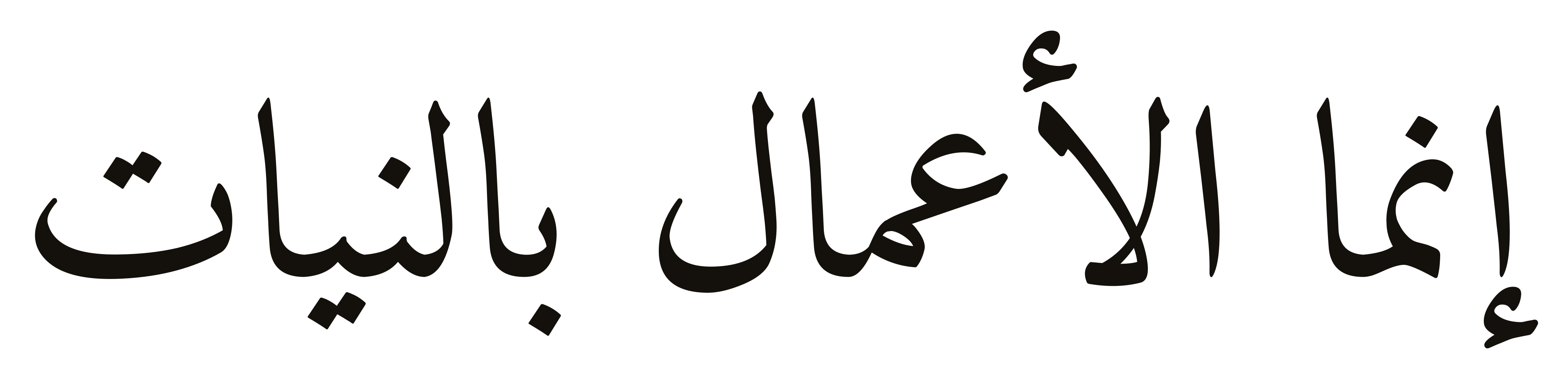
Actions are only by intentions
إنما الأعمال بالنيات
The first hadith in Sahih al-Bukhari, narrated by ʿUmar ibn al-Khattab; also in Sahih Muslim.
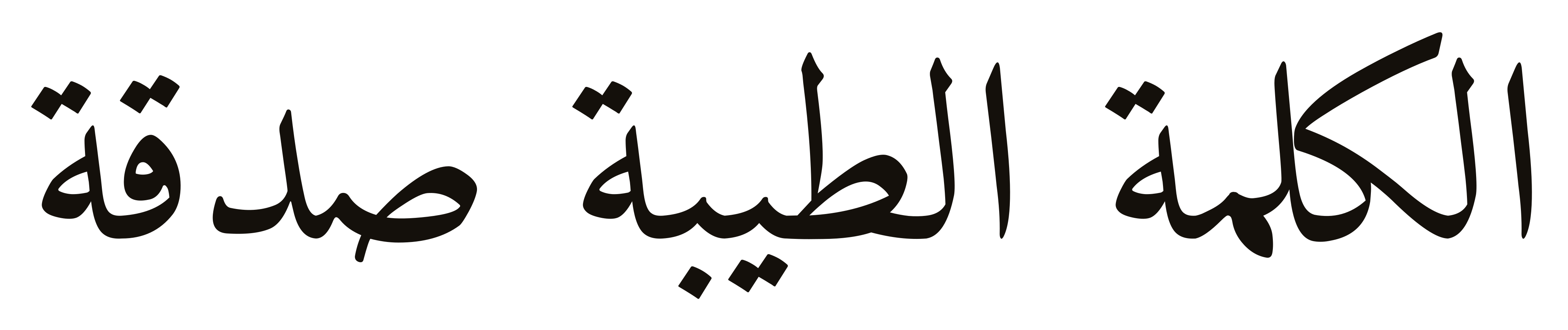
A kind word is charity
الكلمة الطيبة صدقة
Part of a longer hadith narrated by Abu Hurayra on the charity owed by every joint of the body, in both Sahihs.

Your smile to your brother’s face is charity
تبسمك في وجه أخيك صدقة
From a hadith narrated by Abu Dharr in Jamiʿ al-Tirmidhi (1956), who graded it hasan gharib.
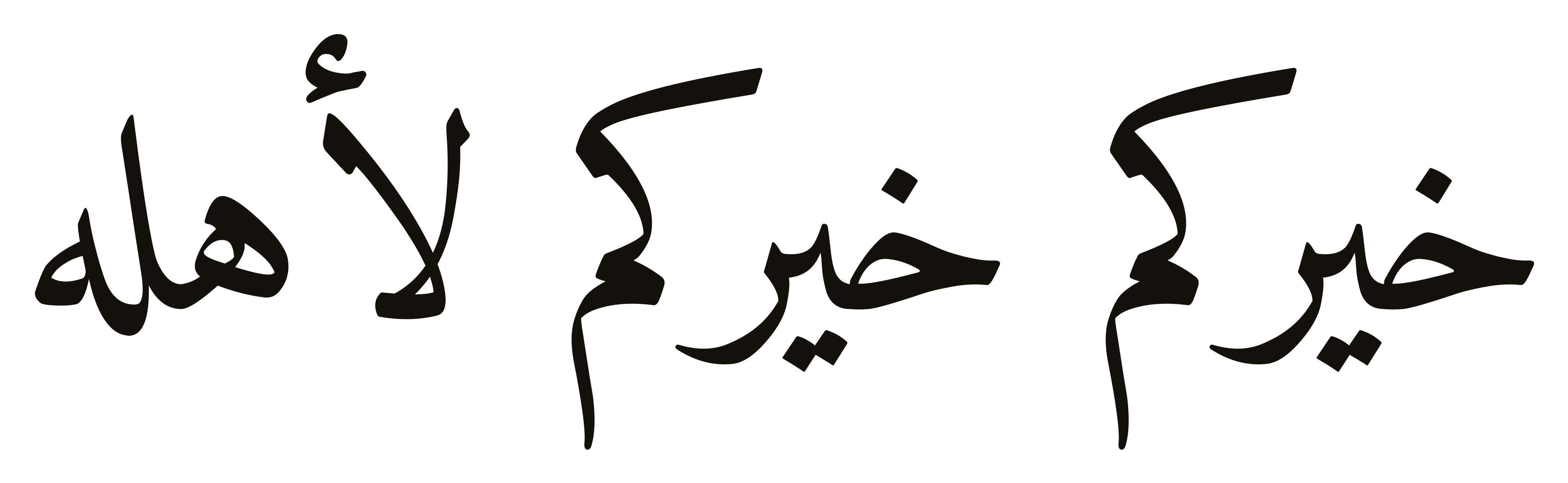
The best of you is the best to his family
خيركم خيركم لأهله
A hadith narrated by ʿAʾisha in al-Tirmidhi (3895) and Ibn Majah (1977); the Prophet adds “and I am the best of you to my family.”
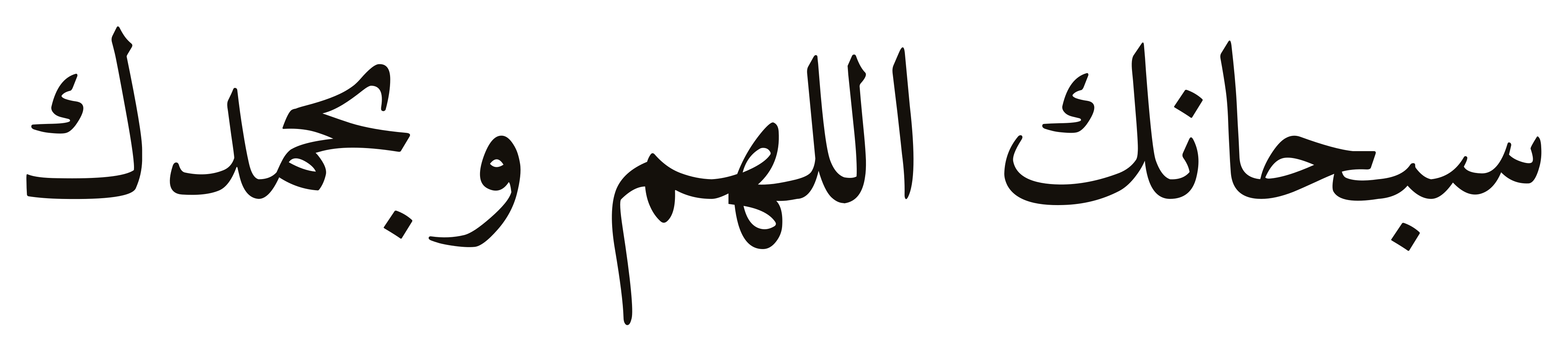
Glory be to You, O God, and praise
سبحانك اللهم وبحمدك
The opening of the duʿāʾ that closes a gathering (kaffārat al-majlis): “Glory be to You, O God, and praise; I bear witness there is no god but You; I seek Your forgiveness and turn to You.”
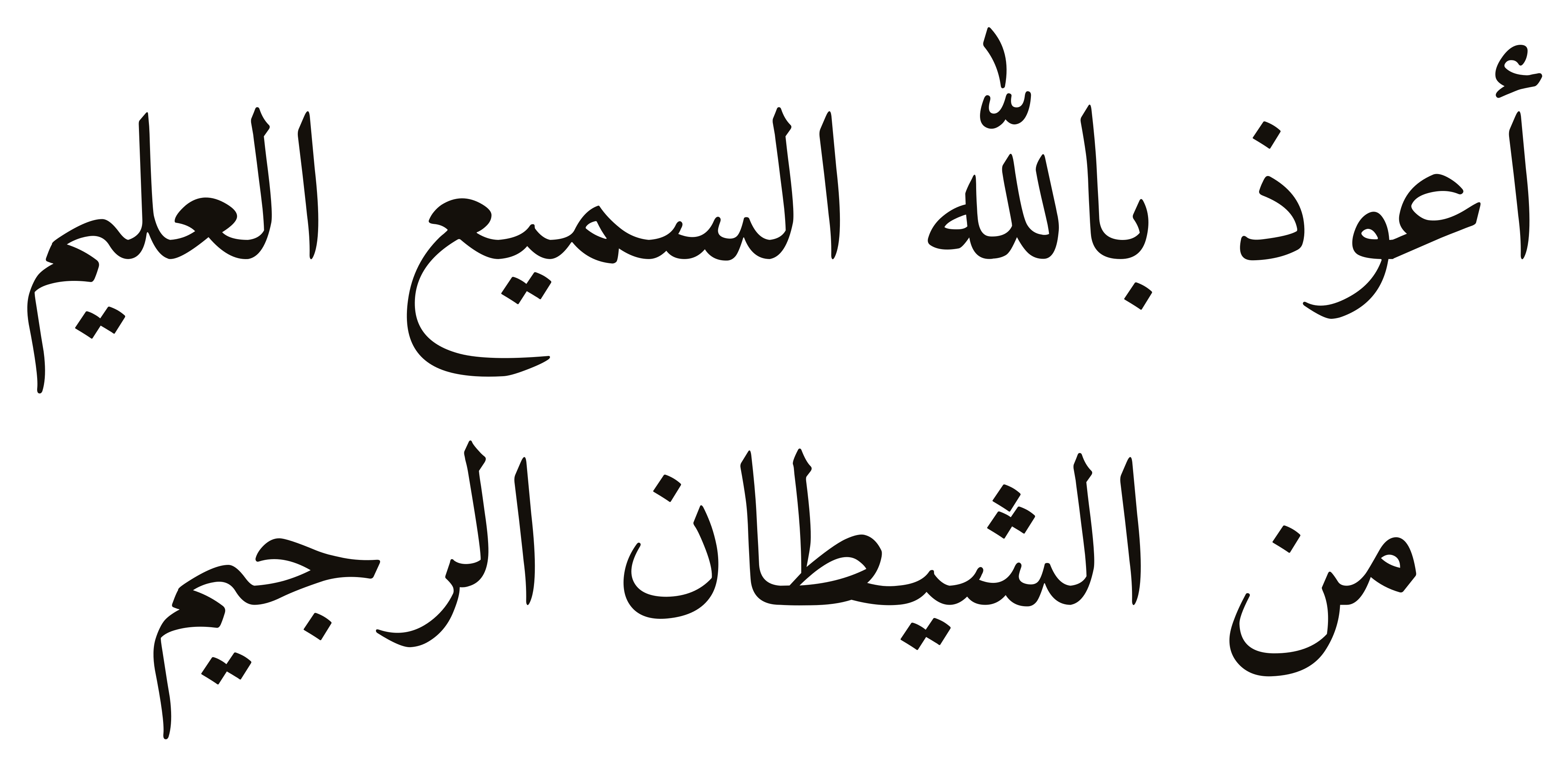
I seek refuge in God, the All-Hearing, the All-Knowing, from the accursed devil
أعوذ بالله السميع العليم من الشيطان الرجيم
The fuller form of the istiʿādha, the words said before reciting the Quran, as the Prophet said them at the opening of the prayer (Abu Dawud 775).
Dhikr
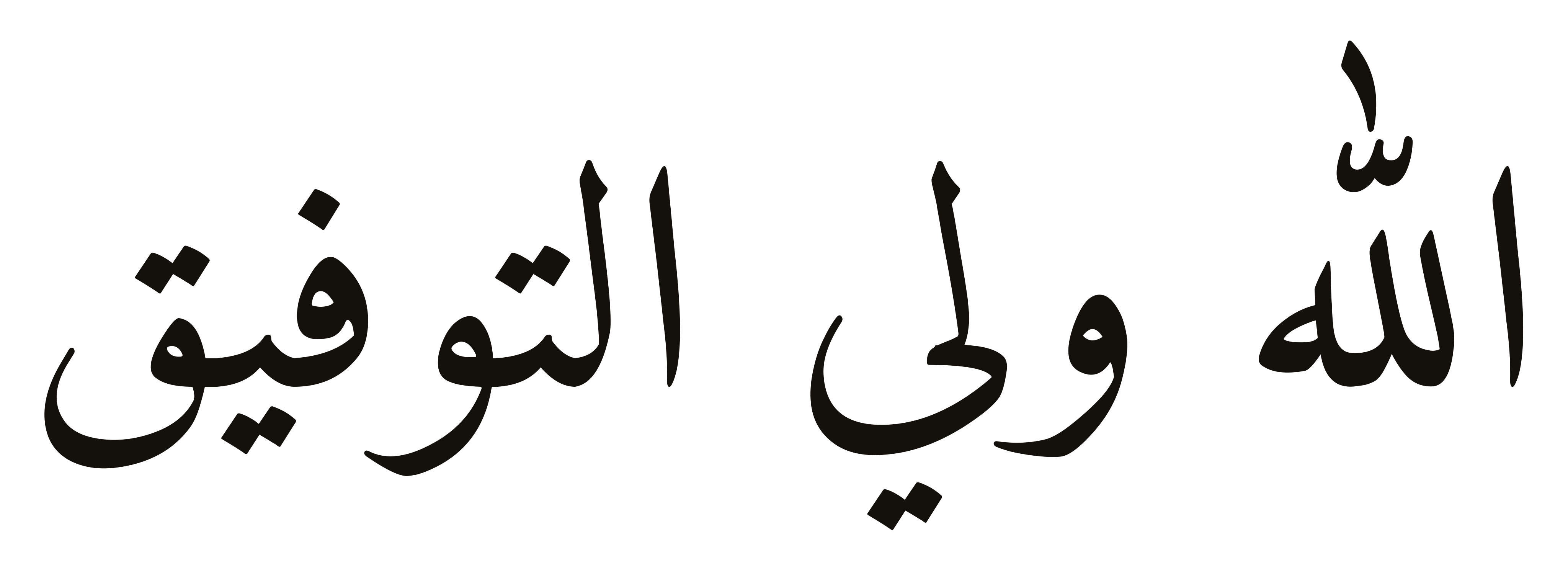
God is the One who grants success
الله ولي التوفيق
A phrase of trust in common use — it closes letters, speeches and prefaces, and is written for a new office or a new beginning. No author: it is the way Arabic says “success is God’s to give”.
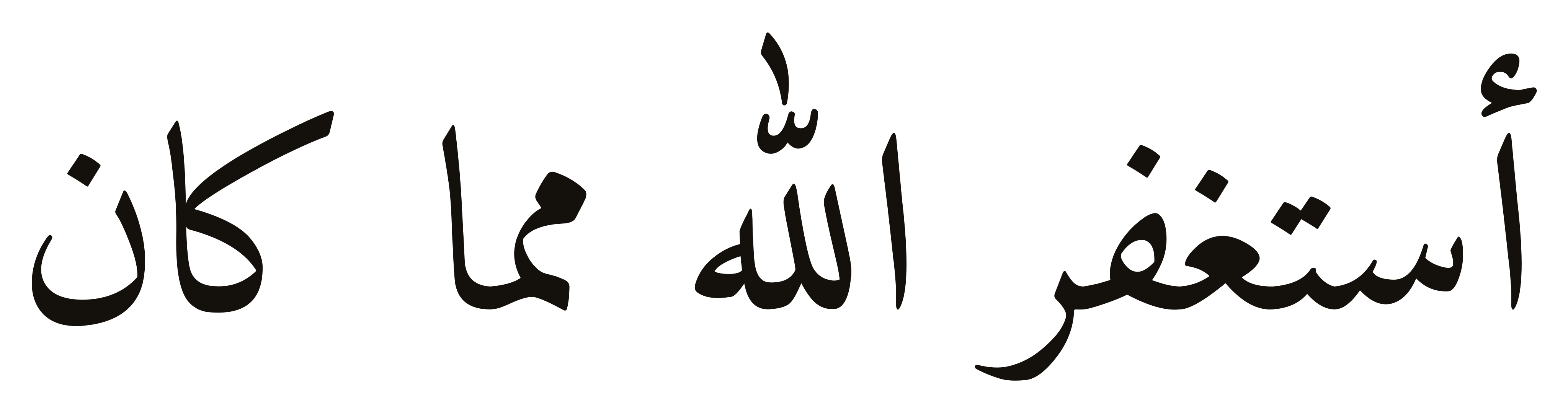
I ask God’s forgiveness for all that has been
أستغفر الله مما كان
A phrase of repentance in everyday use — the istighfār turned towards the past. The wording is a calligrapher’s own choice, not a quotation from any text.
Arabic proverb
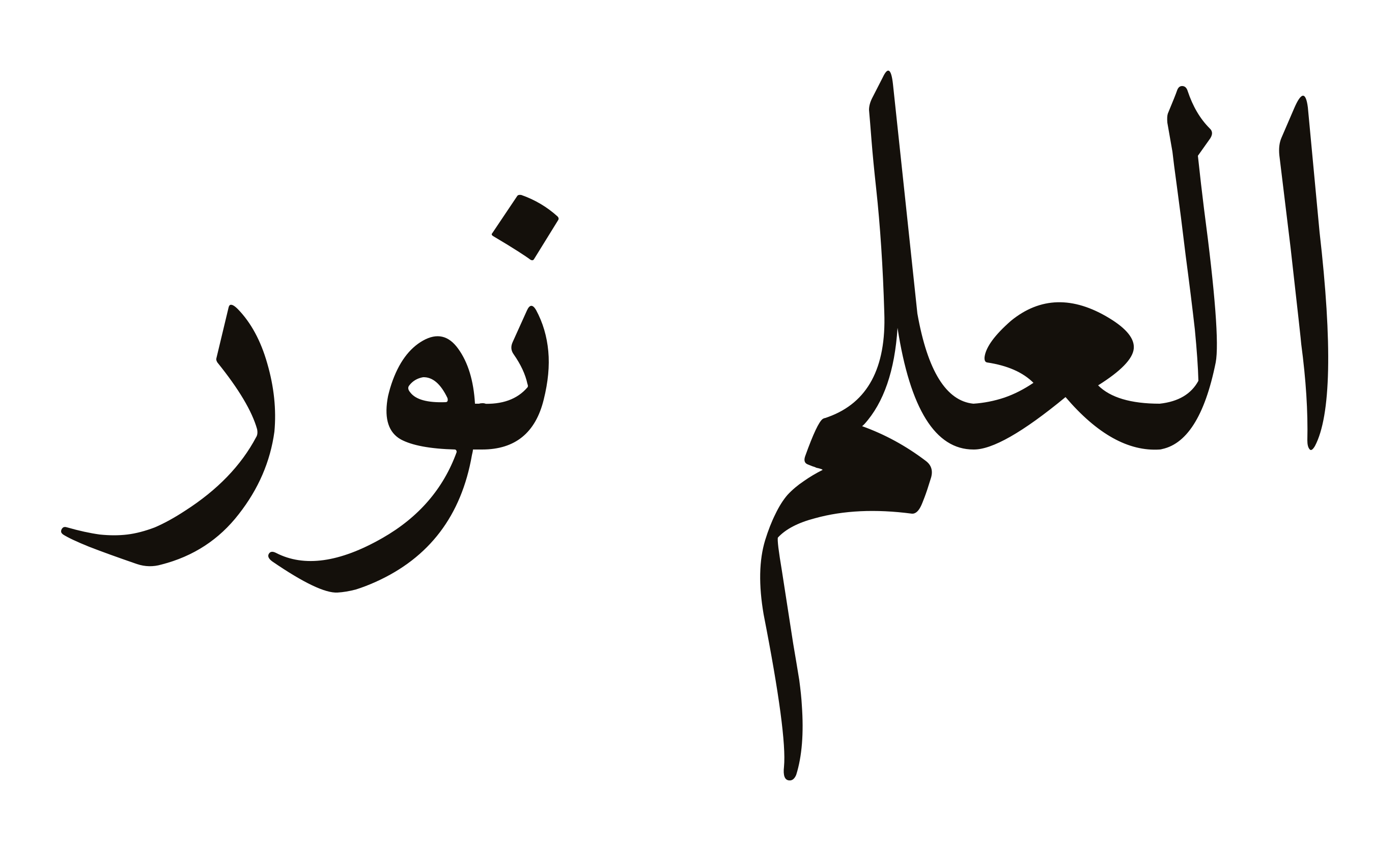
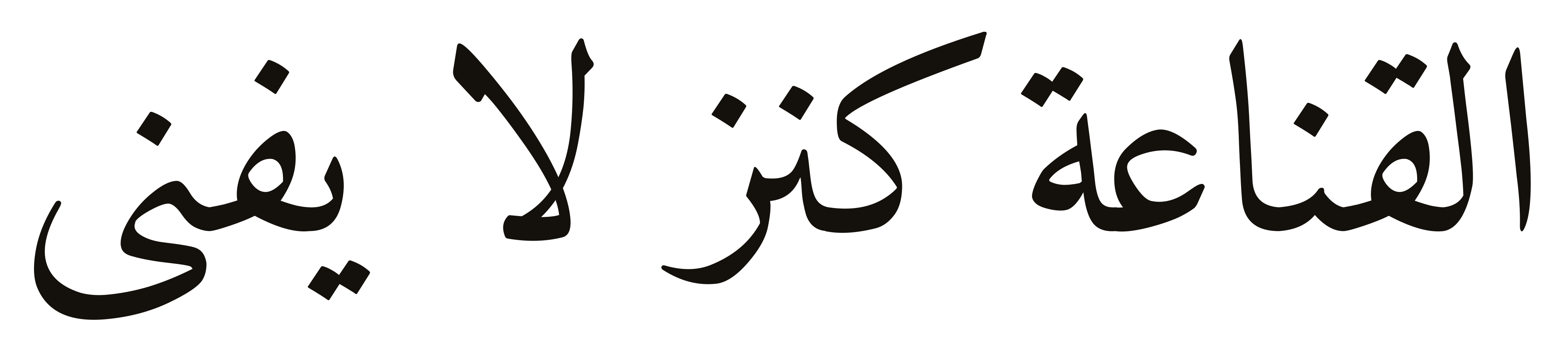
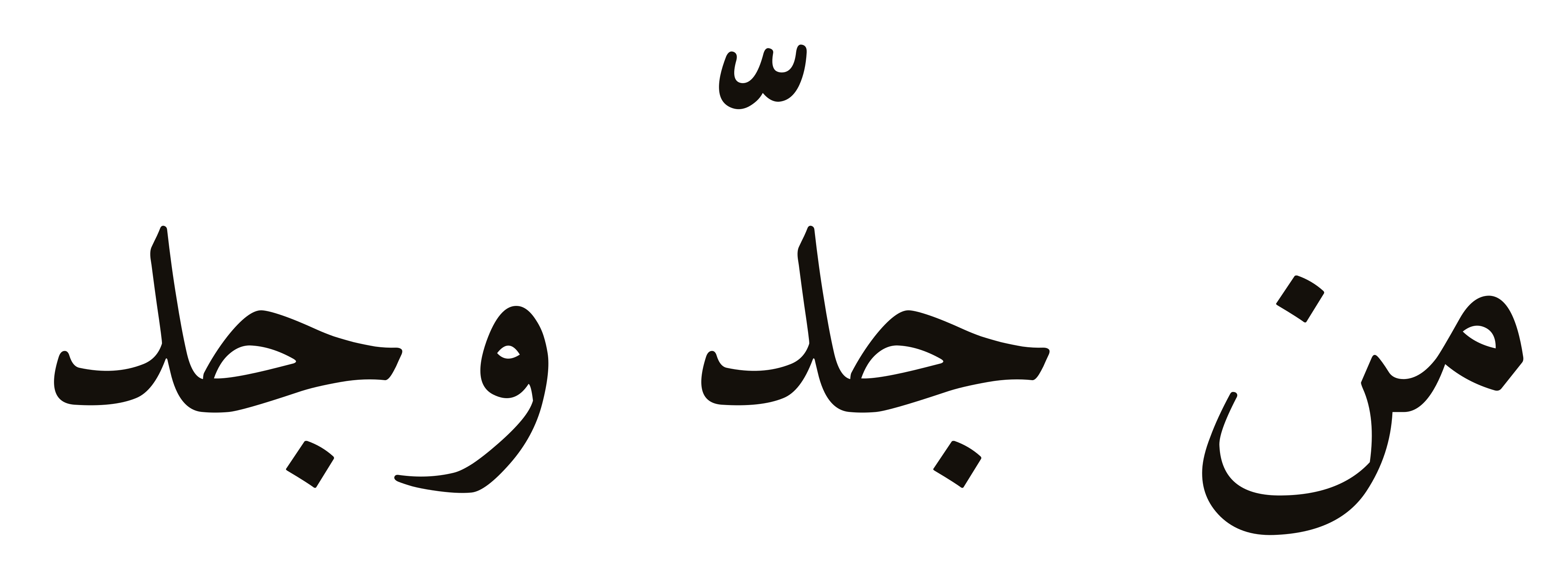
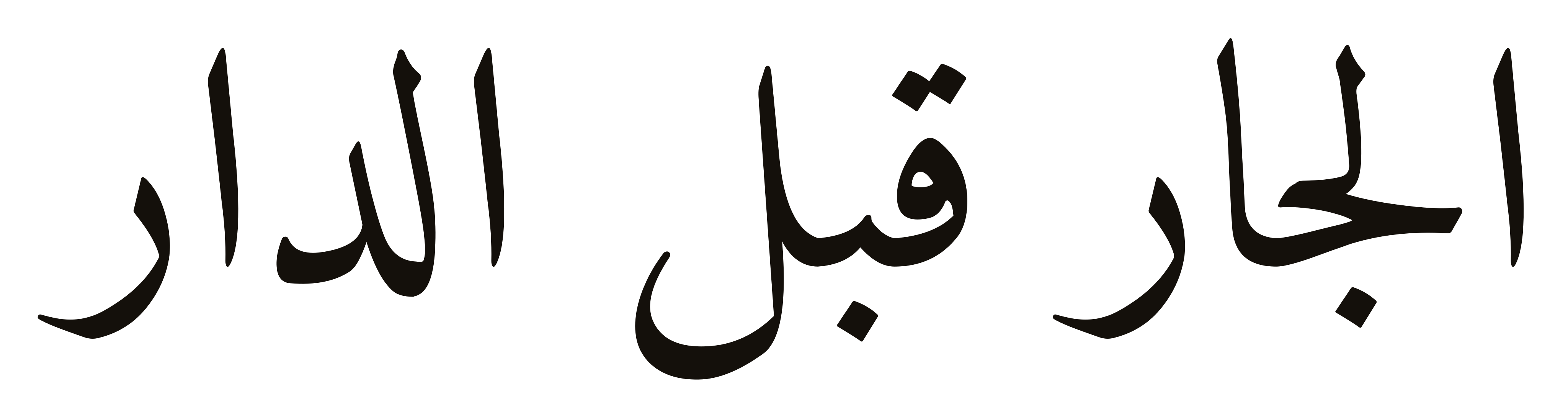
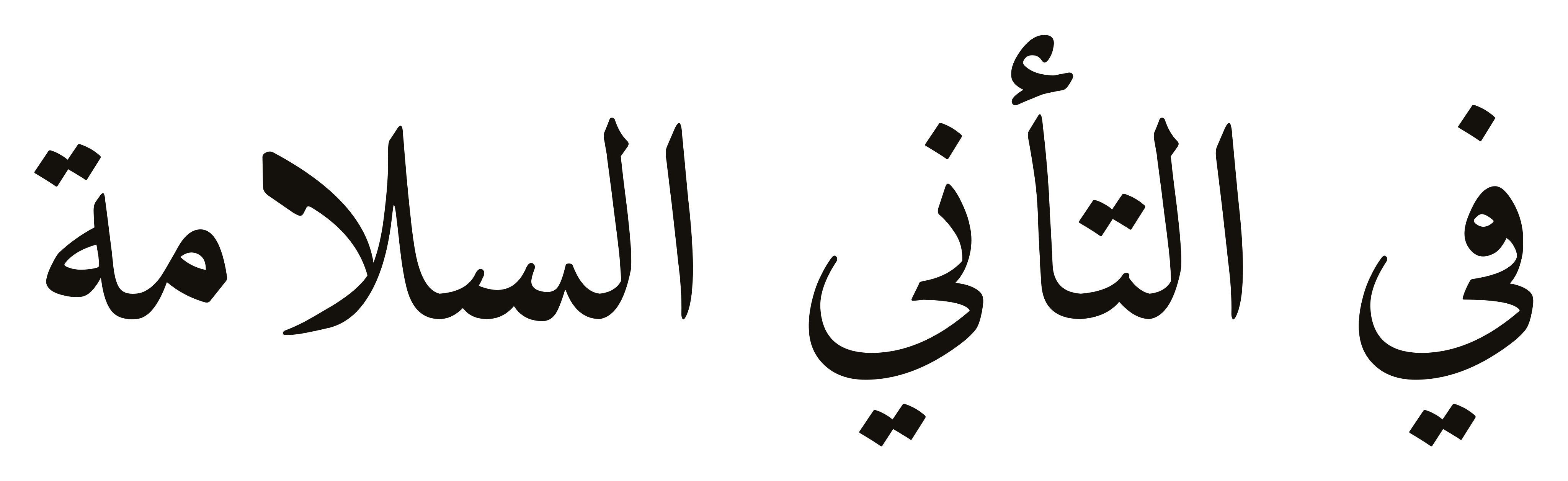
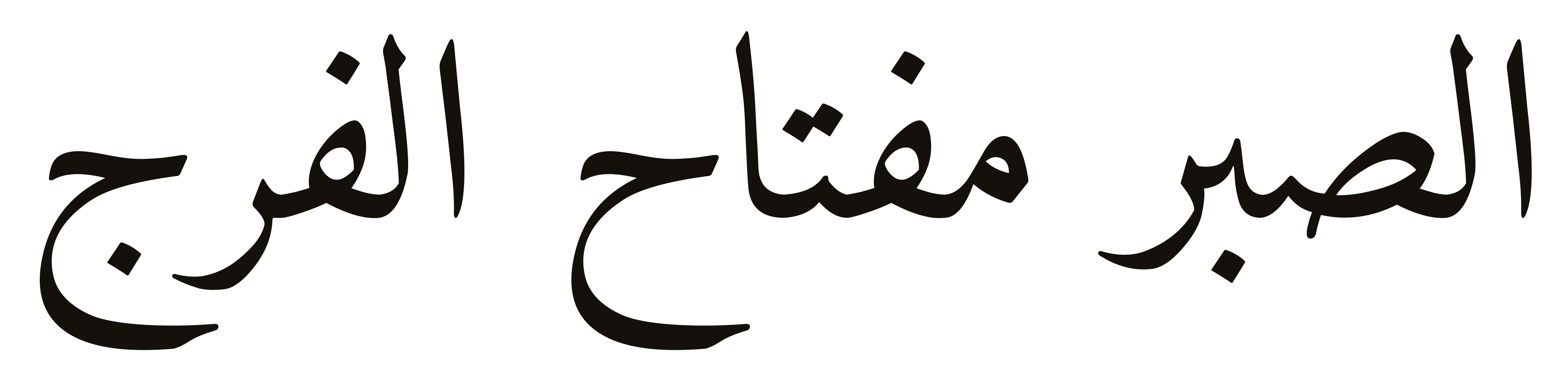
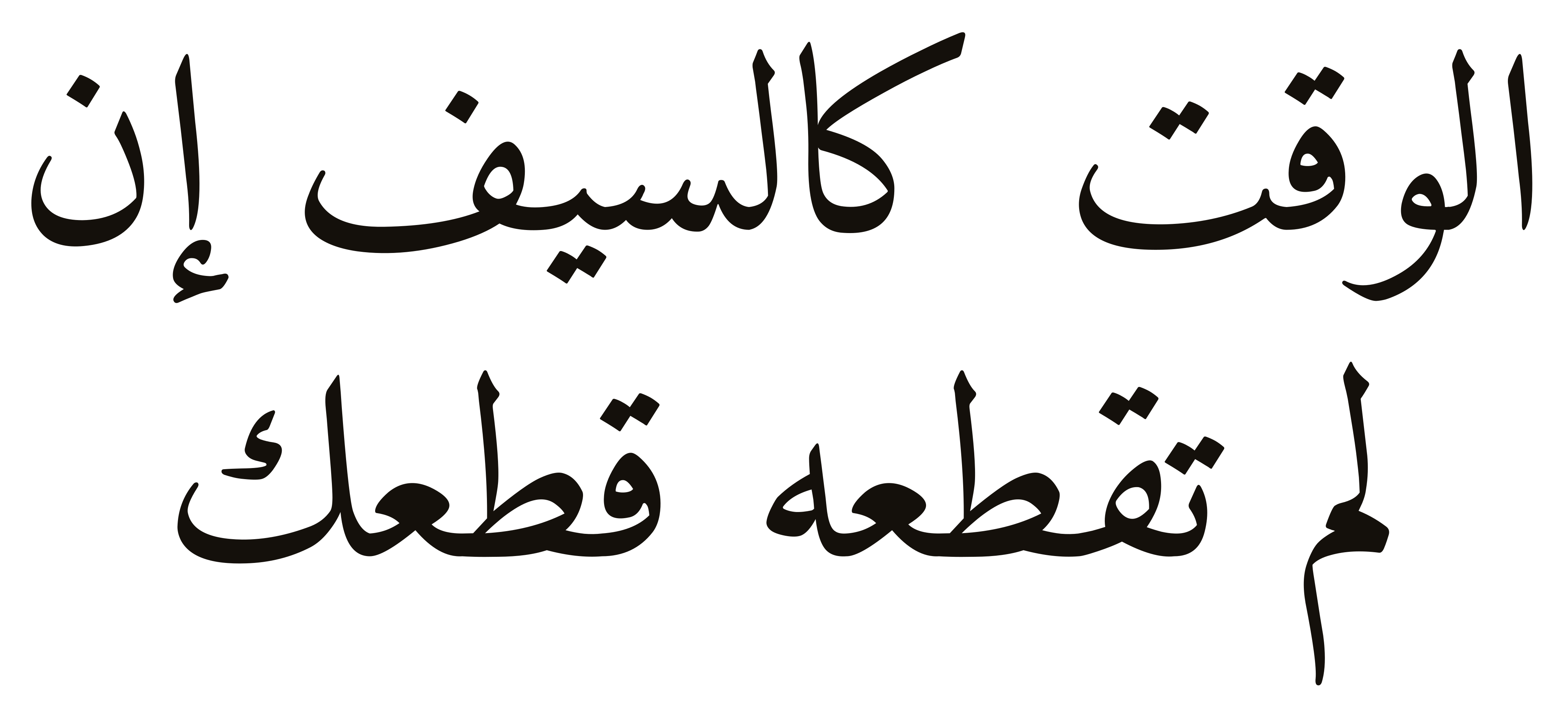
Time is like a sword: if you do not cut it, it cuts you
الوقت كالسيف إن لم تقطعه قطعك
Arabic proverb


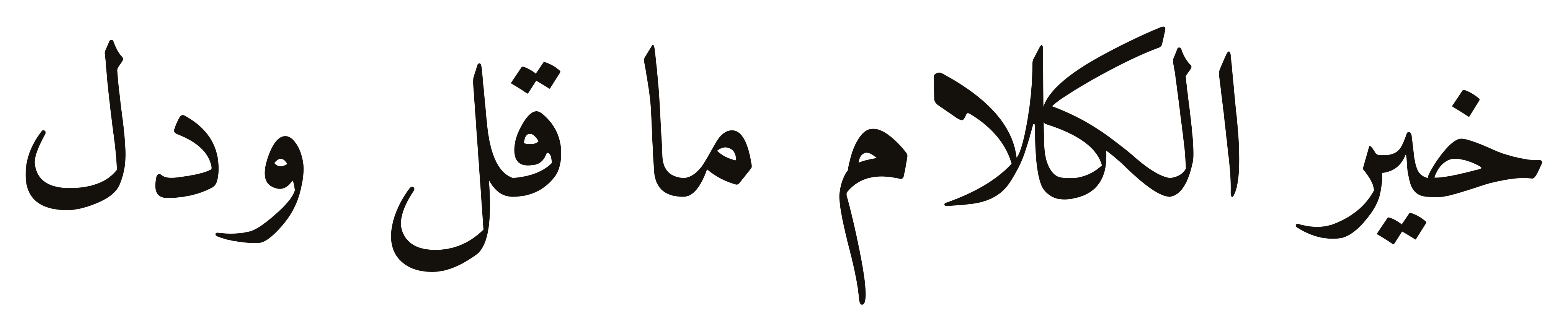

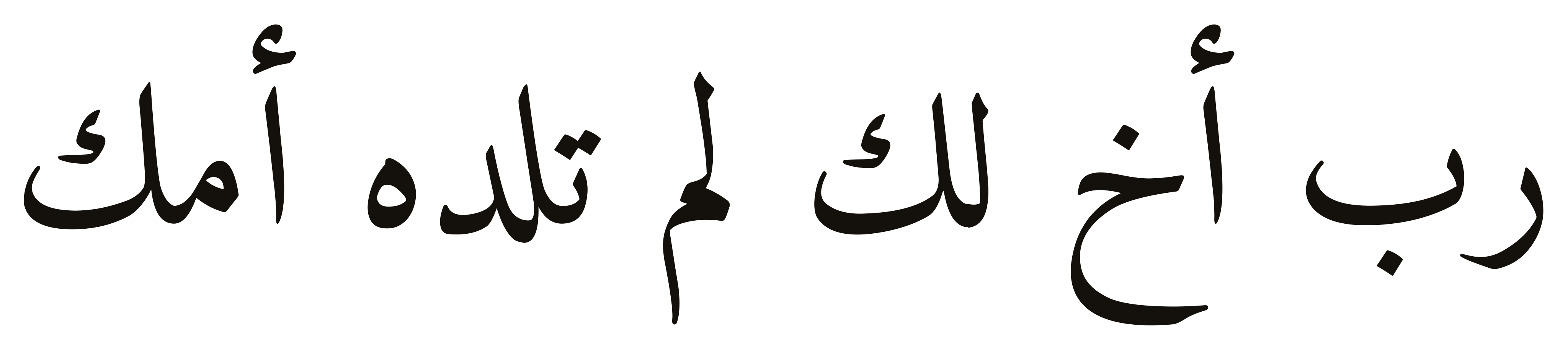
Many a brother of yours was not born of your mother
رب أخ لك لم تلده أمك
Arabic proverb
Poetry

The best companion of all time is a book
خير جليس في الزمان كتاب
The second hemistich of a famous line: “The noblest place in the world is the saddle of a swift horse — and the best companion of all time is a book.”
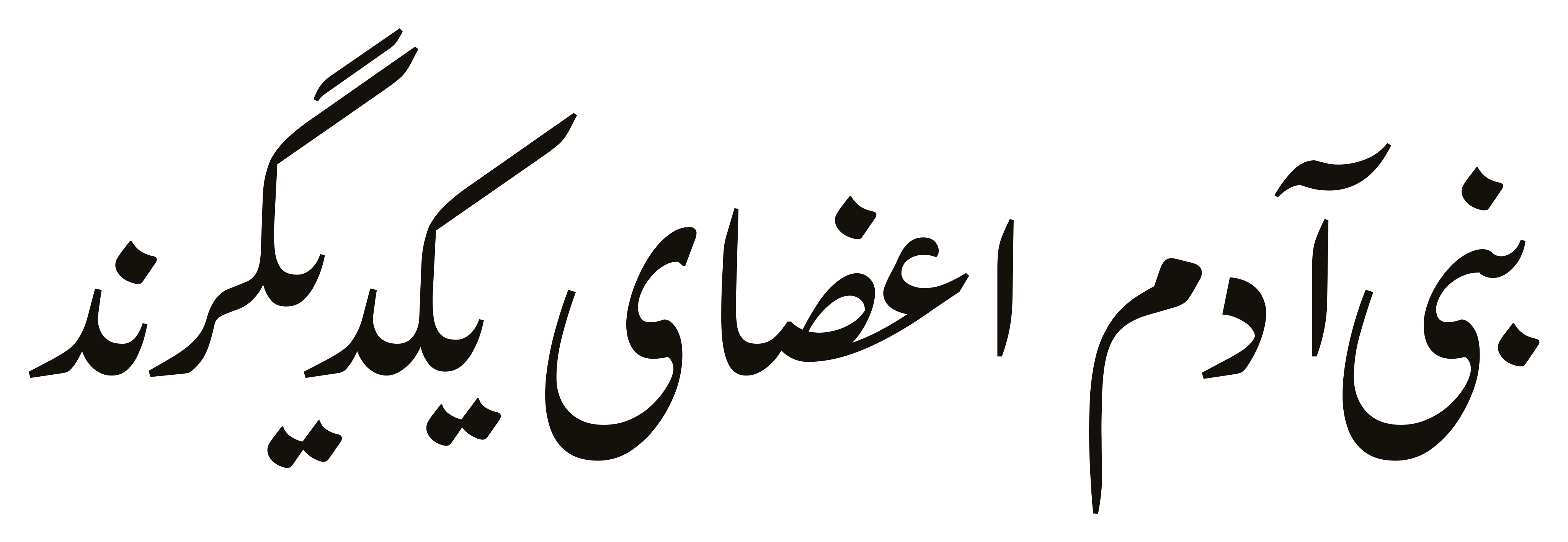
The children of Adam are limbs of one another
بنیآدم اعضای یکدیگرند
Opens a couplet from the Golestan that continues: “created from one essence — when one limb is pained, the others cannot rest.”
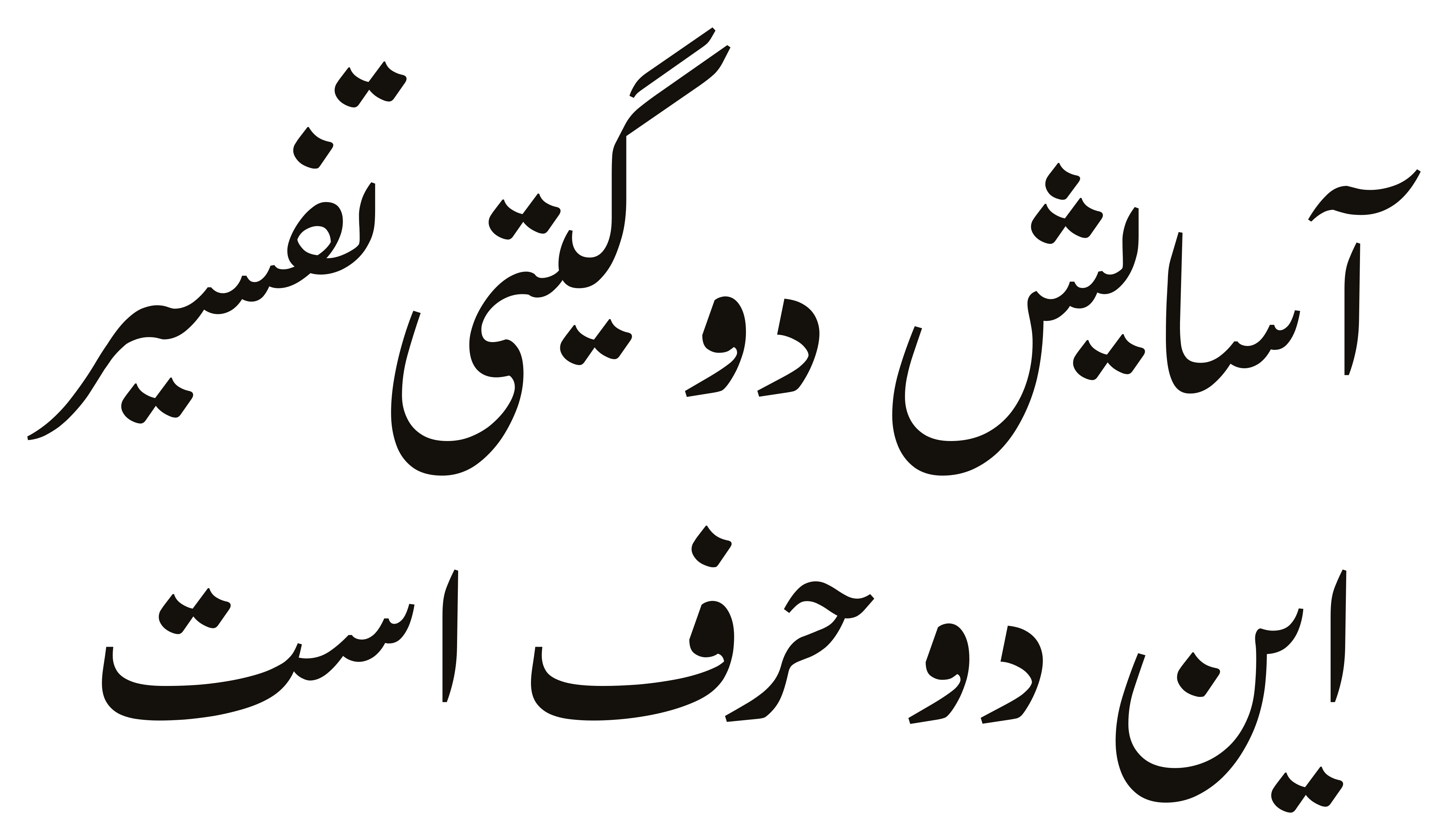
The comfort of both worlds is the meaning of these two words
آسایش دو گیتی تفسیر این دو حرف است
The first half of a couplet whose second half is also on this site — the two belong together and are usually written as a pair.
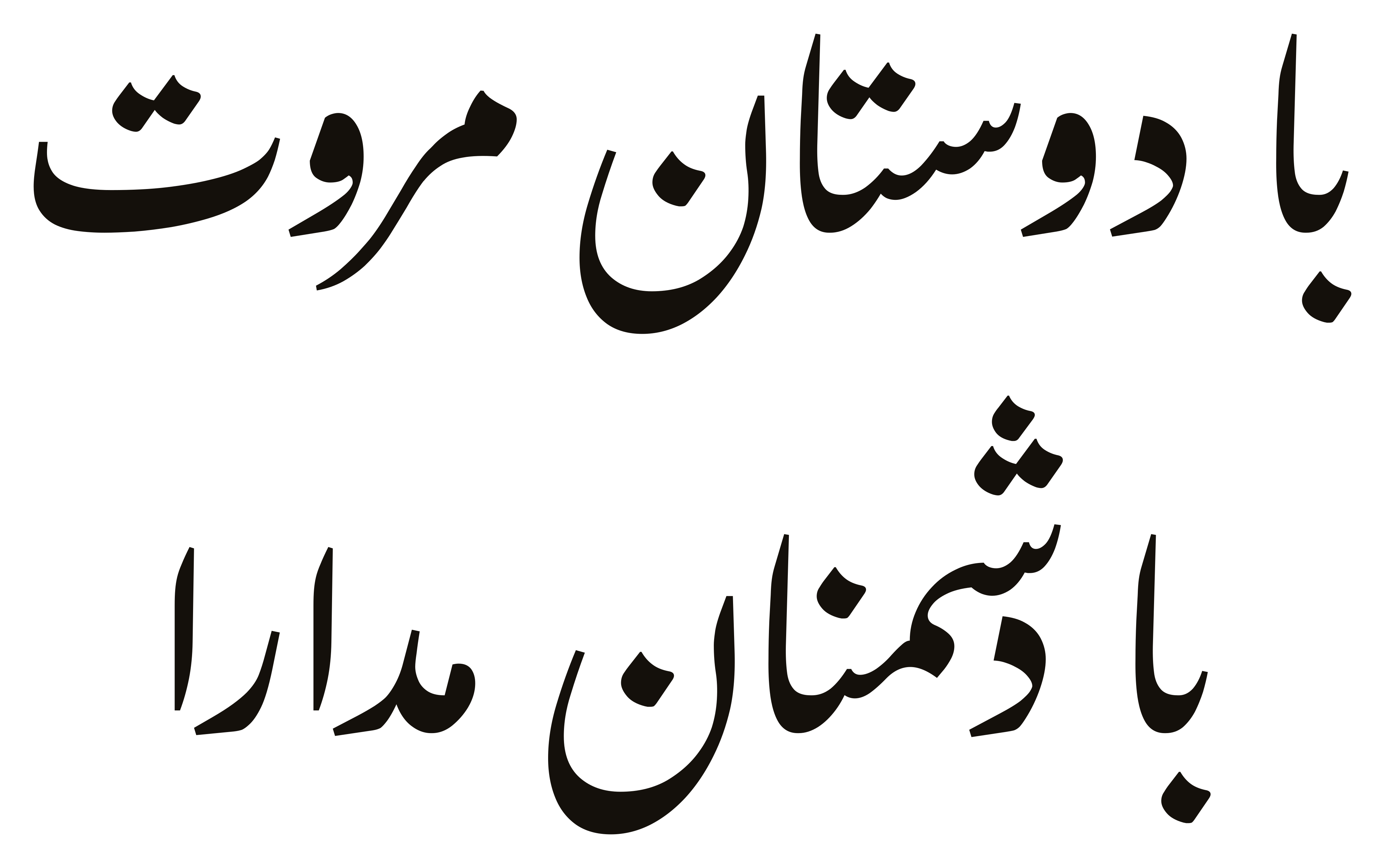
Generosity with friends, forbearance with enemies
با دوستان مروت با دشمنان مدارا
The second half of the couplet that begins “the comfort of both worlds is the meaning of these two words” — the two words are the two halves of this line.
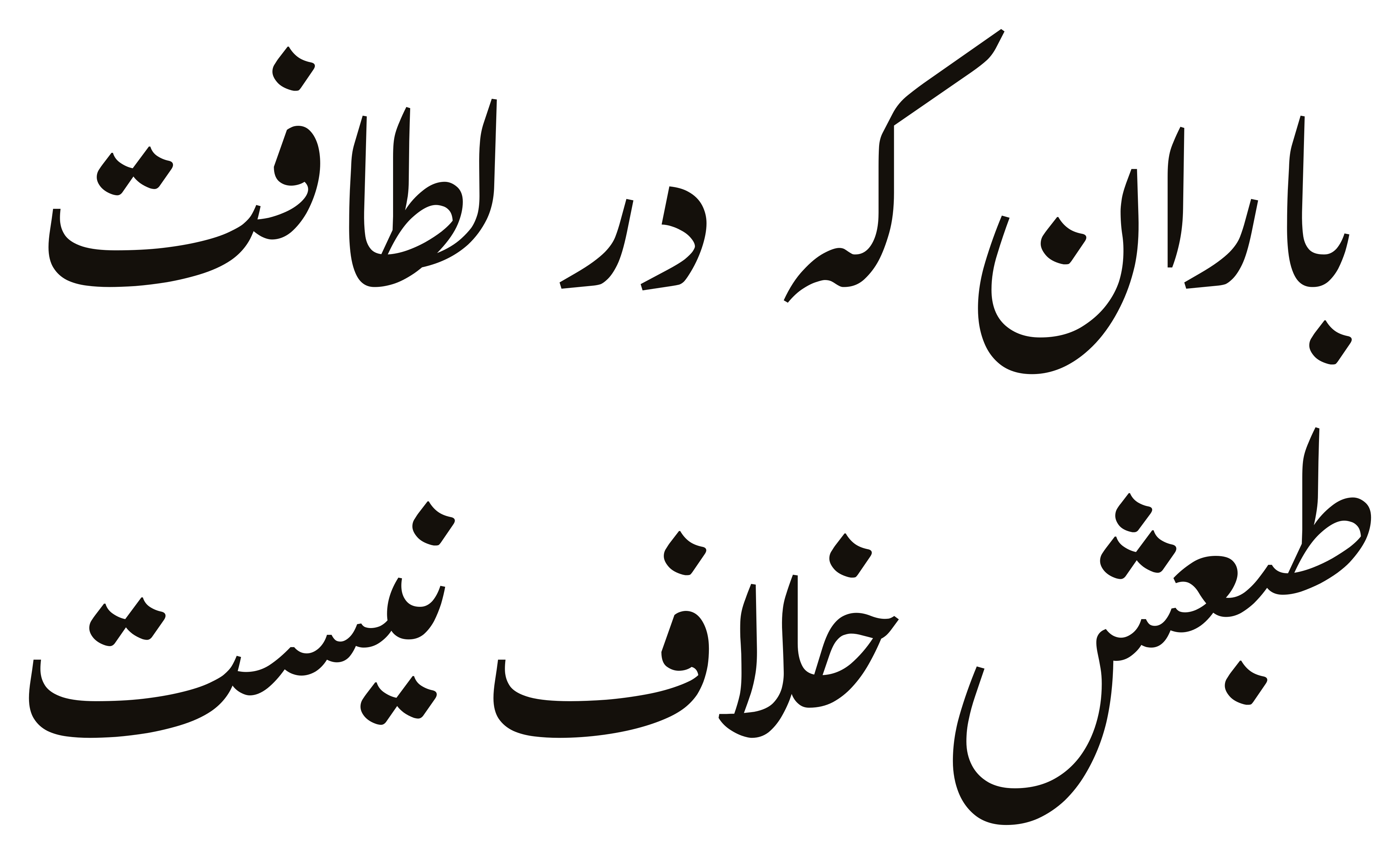
The rain, whose gentleness none disputes
باران که در لطافت طبعش خلاف نیست
The line continues: “in the garden it raises tulips, and on the salt flat, weeds” — the rain is the same; the ground is not.
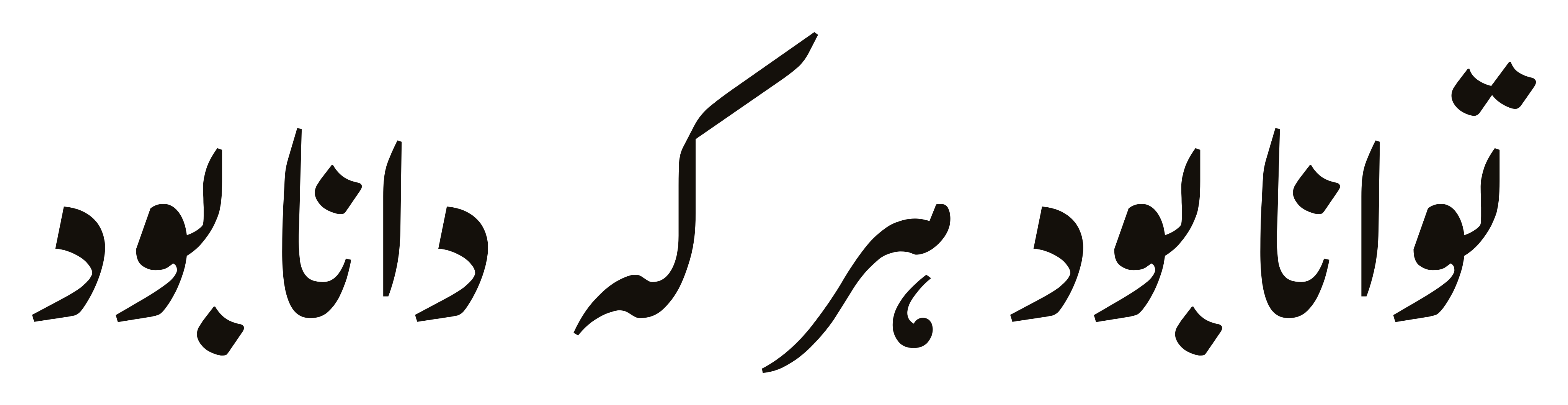
Able is the one who is wise
توانا بود هر که دانا بود
From the opening of the Shahnameh: knowledge makes an old heart young again, in the line that follows.
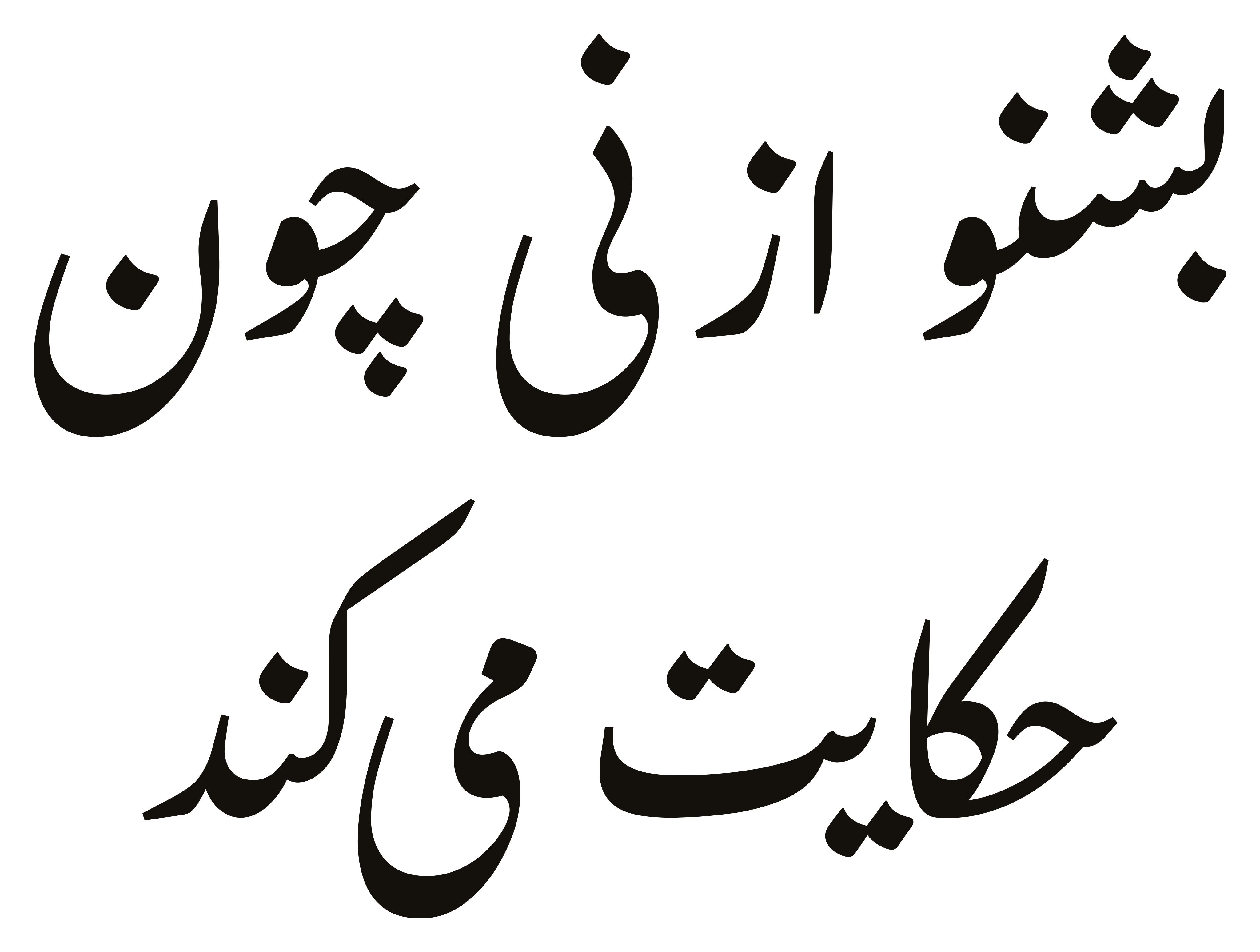
Listen to the reed, how it tells its tale
بشنو از نی چون حکایت میکند
The first line of the Masnavi. The reed complains of being cut from the reed bed — the poem's whole argument about separation is in its opening breath.
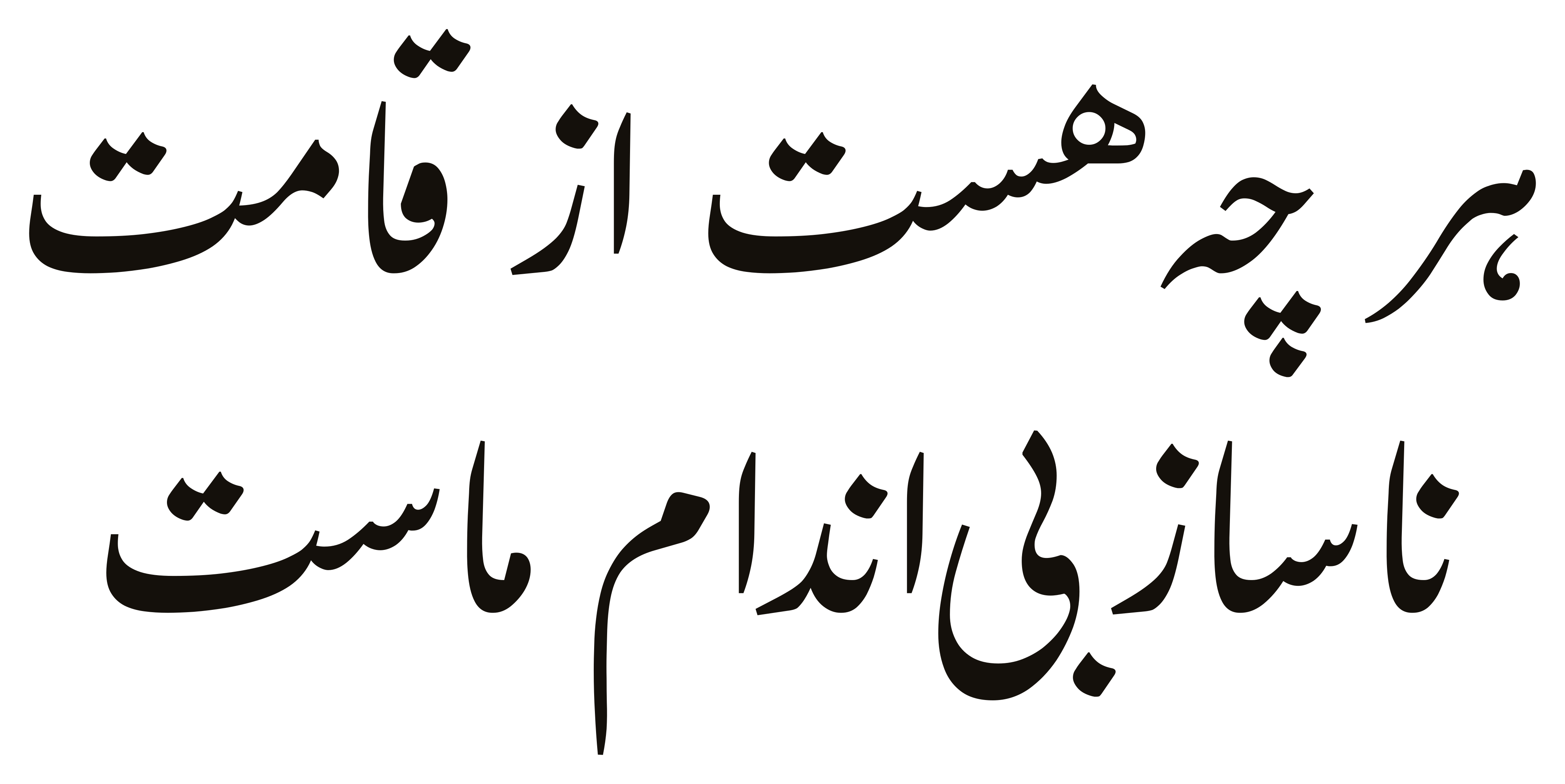
Whatever is amiss is from our own ill-fitting stature
هر چه هست از قامت ناساز بیاندام ماست
The blame is turned inward: the garment is not short, the wearer is misshapen.
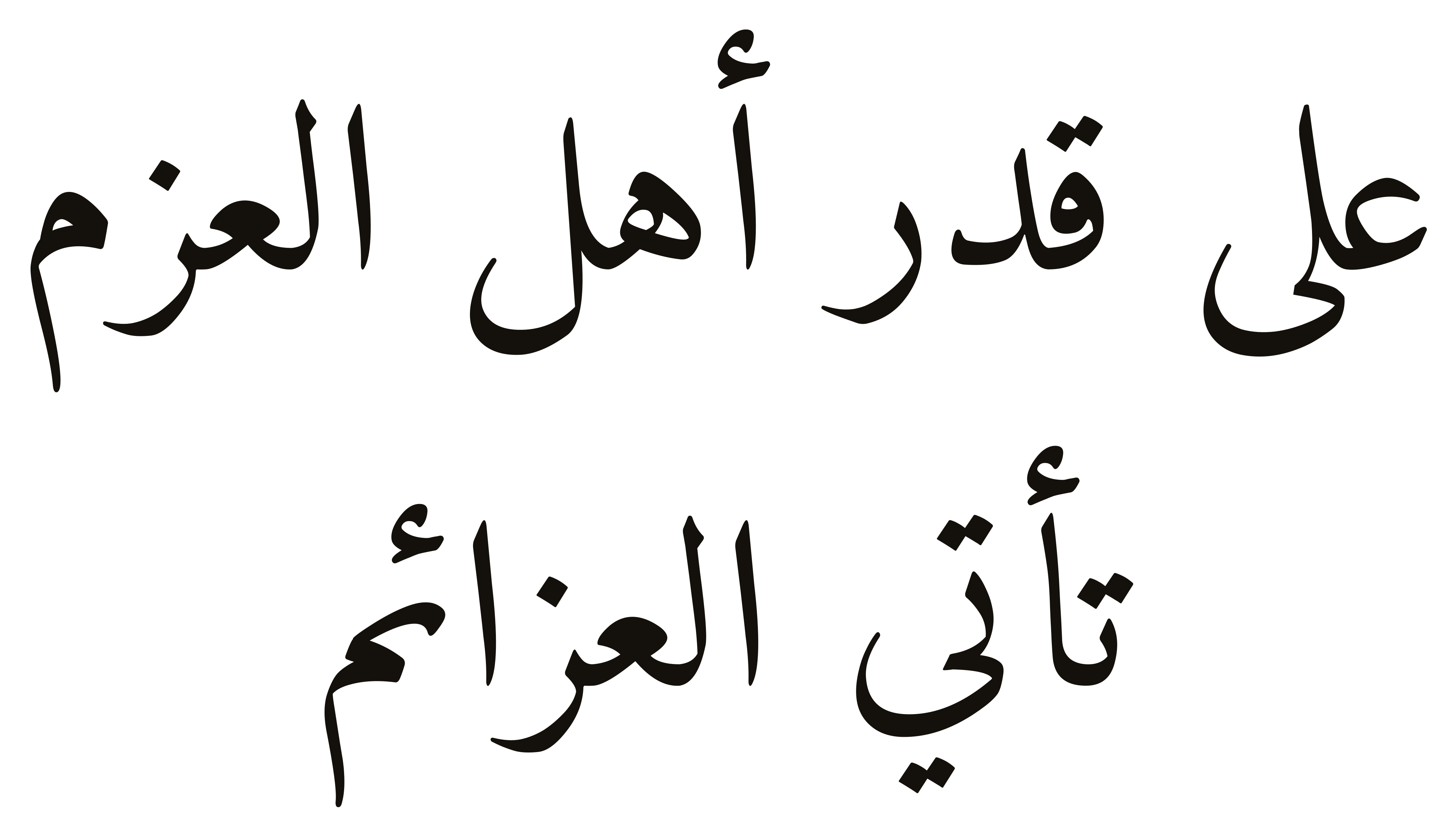
Resolve comes in the measure of the resolute
على قدر أهل العزم تأتي العزائم
The opening hemistich of al-Mutanabbi’s qasida on the battle of al-Hadath (954), in praise of Sayf al-Dawla; the line continues: “and in the measure of the noble come noble deeds.”
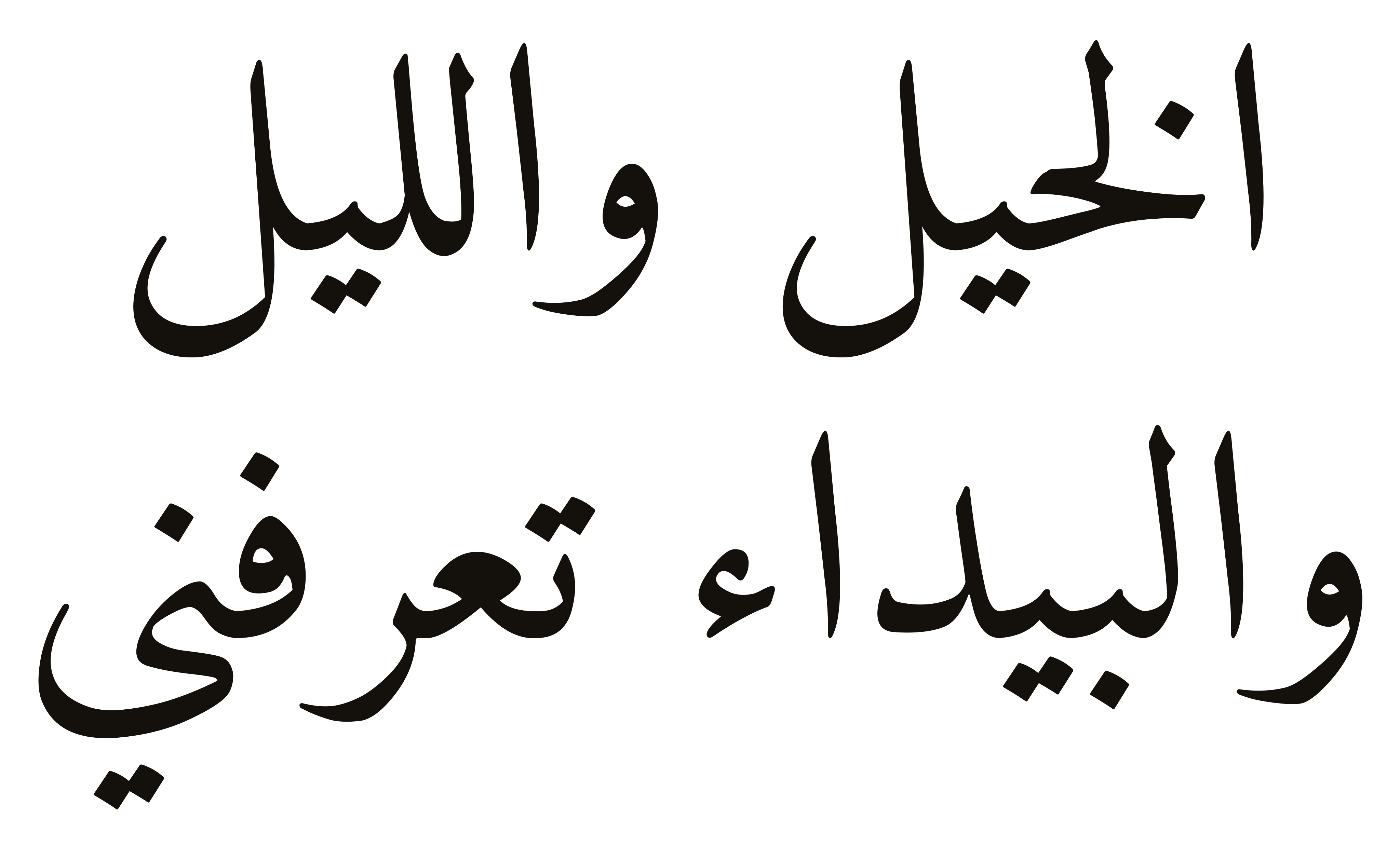
The horses, the night and the desert know me
الخيل والليل والبيداء تعرفني
From the qasida to Sayf al-Dawla that begins “How hot my heart is, for one whose heart is cold”; the line continues: “and the sword and the spear, and the paper and the pen.”

I sleep my fill, untroubled by where my verses roam
أنام ملء جفوني عن شواردها
From the qasida to Sayf al-Dawla that begins “How hot my heart is, for one whose heart is cold”; the line continues: “while people lose sleep over them, and quarrel.”

Charging, wheeling, advancing, retreating, all at once
مكر مفر مقبل مدبر معا
From the description of the horse in the muʿallaqa of Imruʾ al-Qays; the line continues: “like a boulder of rock the flood has hurled down from on high.”
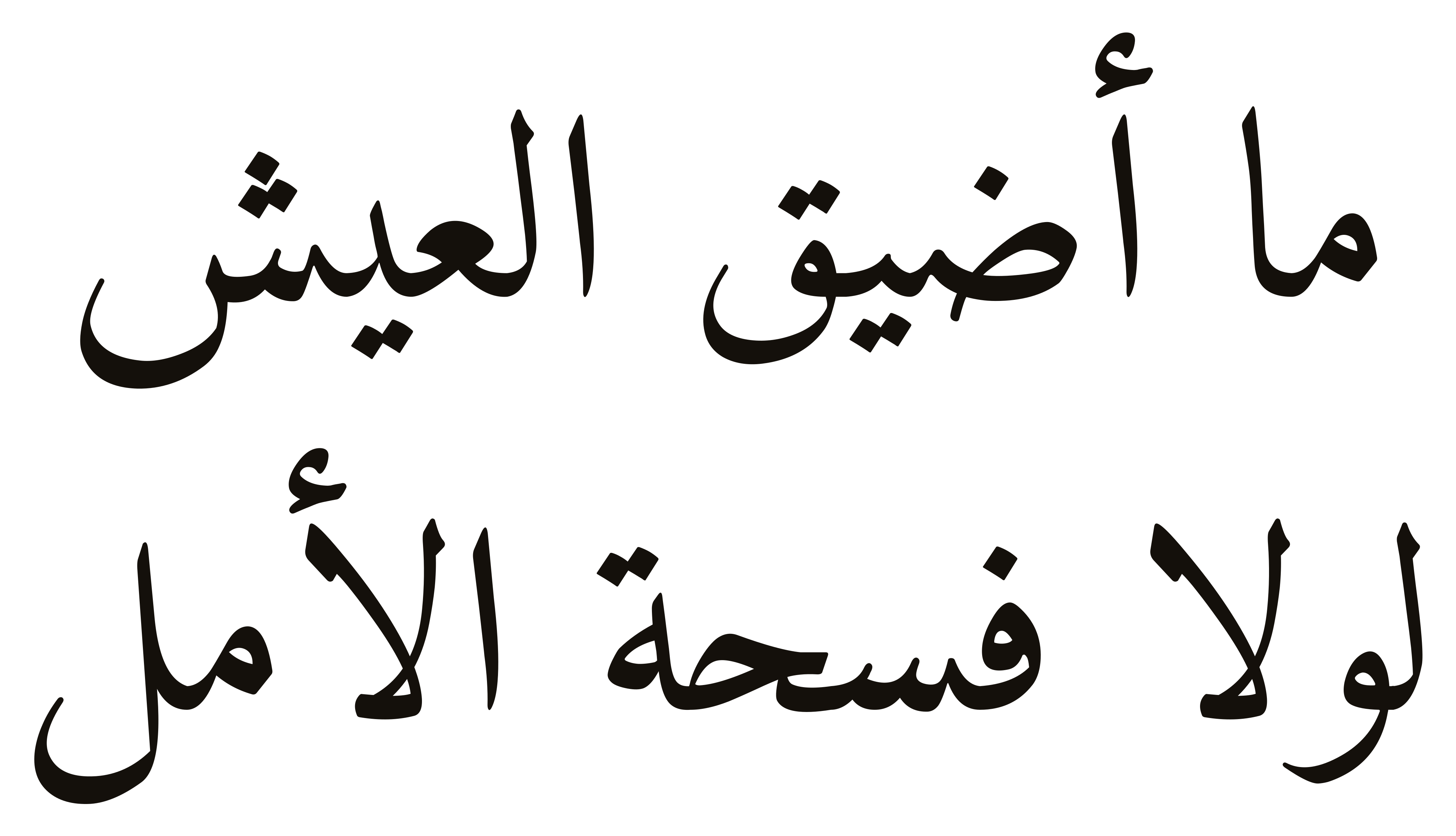
How narrow life would be, were it not for the room hope gives
ما أضيق العيش لولا فسحة الأمل
The second hemistich of a line in al-Tughraʾi’s Lamiyyat al-Ajam, composed in Baghdad in 505 AH: “I soothe my soul with hopes I keep watch for; how narrow life would be, were it not for the room hope gives.”
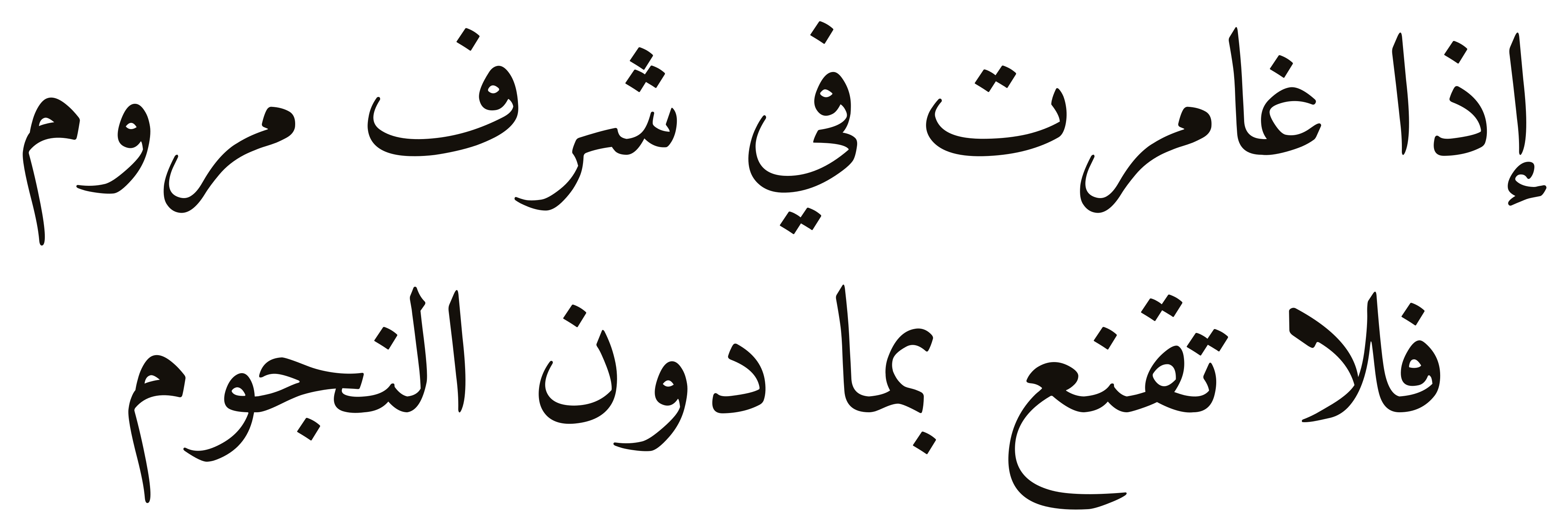
If you venture after honour, settle for nothing short of the stars
إذا غامرت في شرف مروم فلا تقنع بما دون النجوم
The opening line of the qasida of that name in al-Mutanabbi’s dīwān; the next line says that death in a small cause tastes the same as death in a great one.
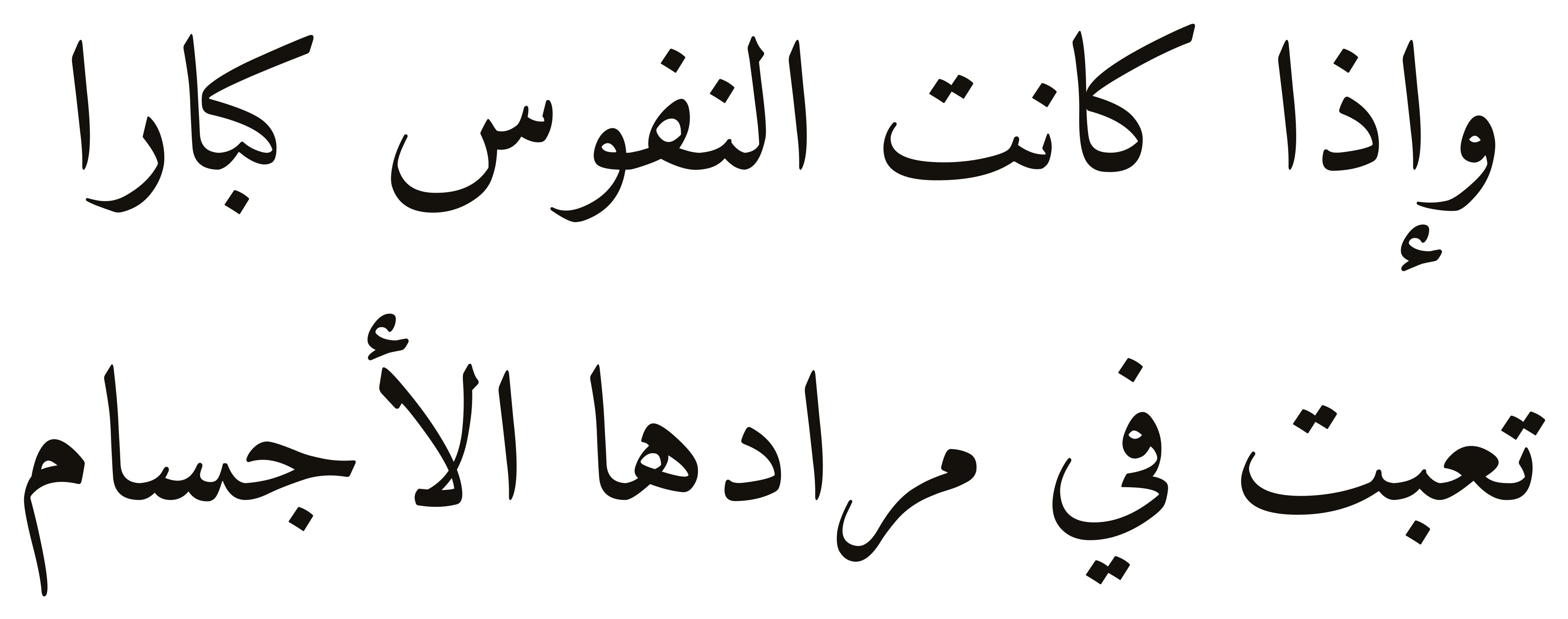
When souls are great, bodies tire in their service
وإذا كانت النفوس كبارا تعبت في مرادها الأجسام
From the qasida to Sayf al-Dawla that begins “For your eyes, what the heart has met and meets”; the line is quoted on its own more than any other of it.

The sword is a truer herald than the books
السيف أصدق أنباء من الكتب
The opening hemistich of Abu Tammam’s qasida on the taking of Amorium by the caliph al-Muʿtasim in 838; the line continues: “in its edge is the line between earnest and jest.”
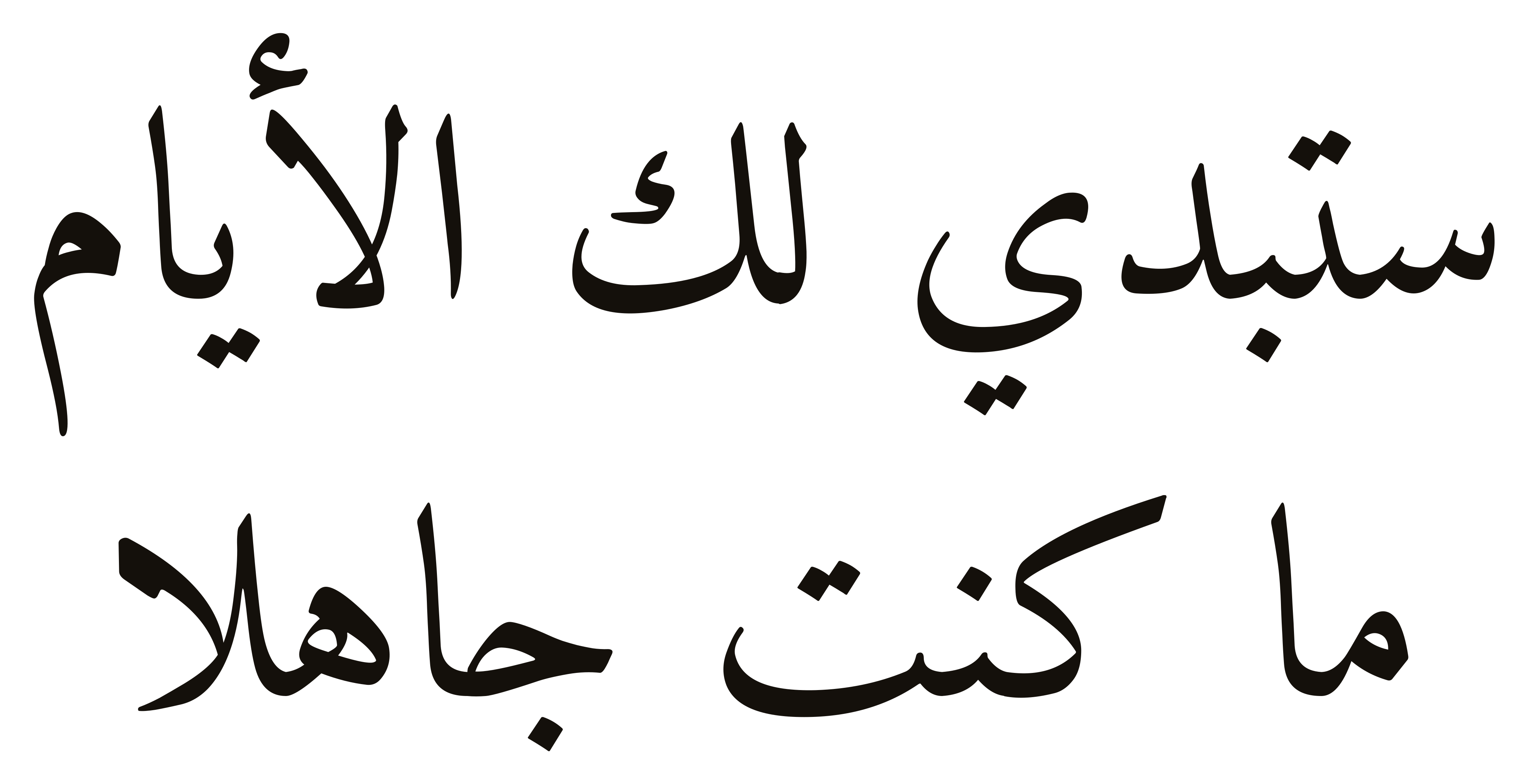
The days will show you what you did not know
ستبدي لك الأيام ما كنت جاهلا
From the Muʿallaqa of Tarafa ibn al-ʿAbd, one of the seven hung odes; the line continues: “and one you never provisioned will bring you the news.”

Who does not honour himself is not honoured
ومن لا يكرم نفسه لا يكرم
The second hemistich of a line in the Muʿallaqa of Zuhayr ibn Abi Sulma: “Who goes abroad takes an enemy for a friend — and who does not honour himself is not honoured.”
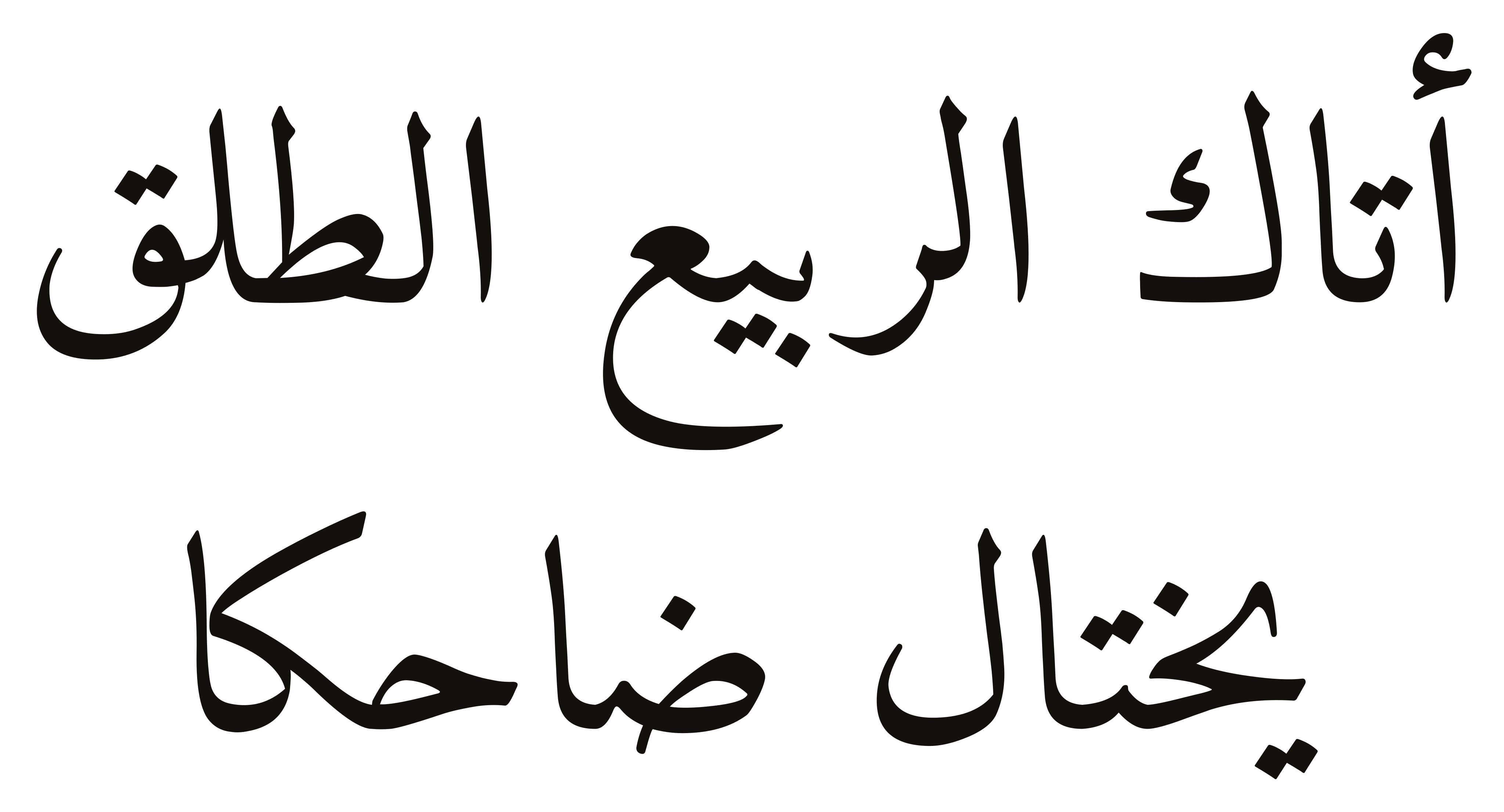
Spring has come to you, free and laughing, strutting
أتاك الربيع الطلق يختال ضاحكا
The opening line of al-Buhturi’s poem on spring; the line continues: “so that it all but speaks, for beauty.”

I see you hold back your tears; patience is your way
أراك عصي الدمع شيمتك الصبر
The opening line of Abu Firas al-Hamdani’s best-known poem, written while a prisoner of the Byzantines; the line continues: “has love no command over you, nor prohibition?”

I remembered you at al-Zahra, longing
إني ذكرتك بالزهراء مشتاقا
The opening line of Ibn Zaydun’s poem to Wallada bint al-Mustakfi, written at Madinat al-Zahra near Cordoba; the line continues: “the horizon clear, and the face of the earth bright.”

Increase me, by excess of love for You, in bewilderment
زدني بفرط الحب فيك تحيرا
The opening line of an eleven-line poem in the dīwān of Ibn al-Farid, the Sufi poet of Cairo; the line continues: “and have mercy on a heart that the blaze of Your love has set alight.”

Muhammad, master of the two worlds and the two kinds
محمد سيد الكونين والثقلين
From the Burda of al-Busiri, the most recited poem in praise of the Prophet; the line continues: “and of the two groups, of Arabs and of non-Arabs.”
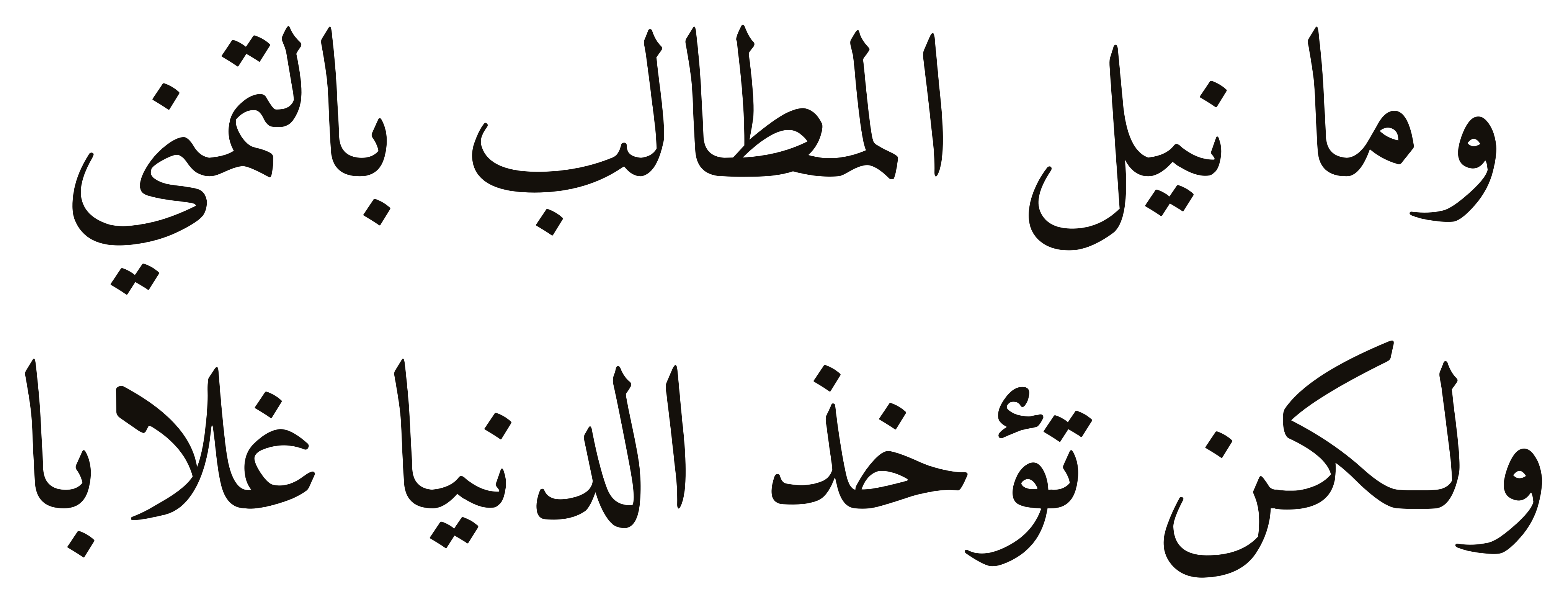
Wishes do not win what is sought; the world is taken by striving
وما نيل المطالب بالتمني ولكن تؤخذ الدنيا غلابا
From Ahmad Shawqi’s poem “Salū qalbī”, in praise of the Prophet ﷺ and sung by Umm Kulthum (al-Shawqiyyat); the line is quoted on its own far more often than the poem is read.
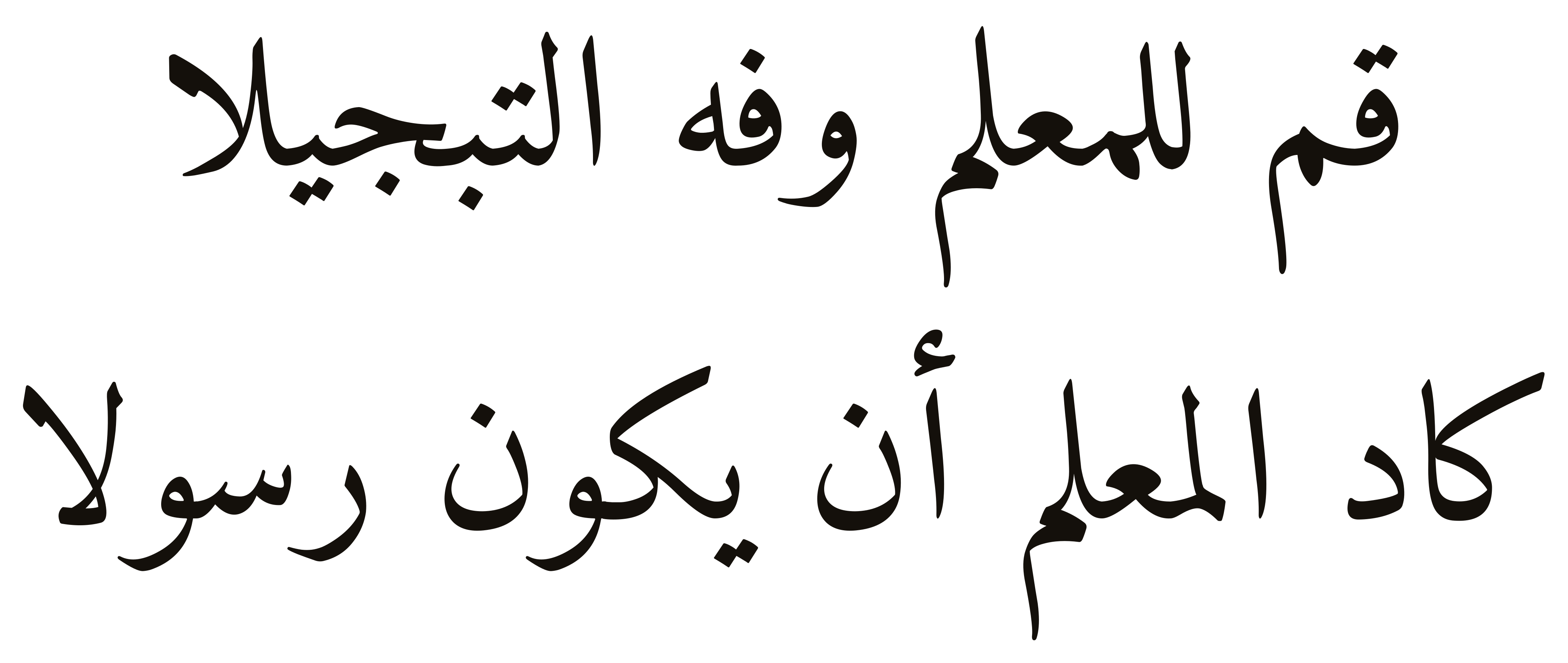
Rise for the teacher and give him his due honour — a teacher is almost a messenger
قم للمعلم وفه التبجيلا كاد المعلم أن يكون رسولا
The opening line of Shawqi’s poem on the teacher, recited on Teachers’ Day across the Arab world.
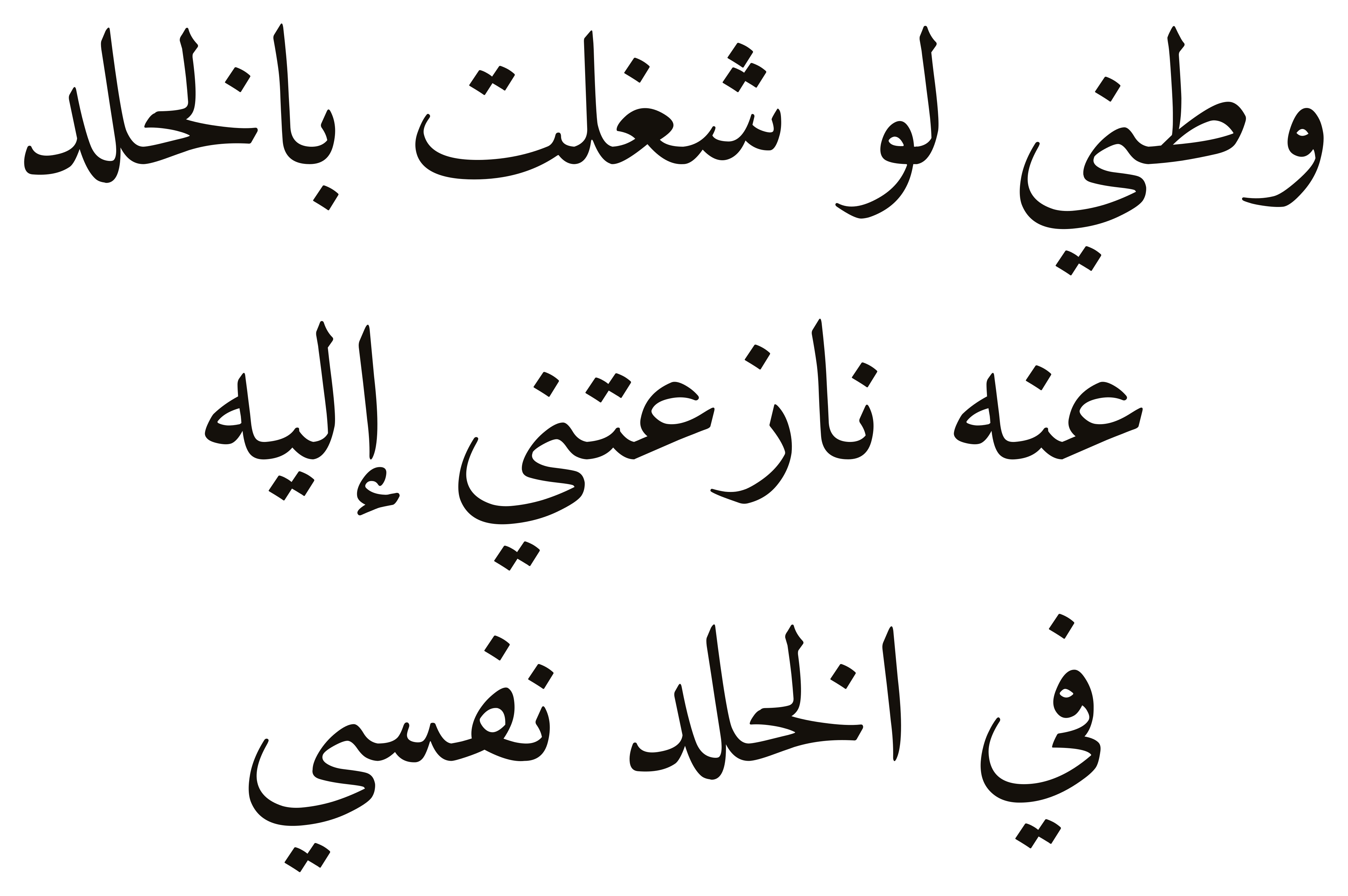
My homeland — were I kept from it by Paradise, my soul would pull me back to it
وطني لو شغلت بالخلد عنه نازعتني إليه في الخلد نفسي
From the poem Shawqi wrote in exile in Spain, addressed to a ship (“Daughter of the sea, your father is no miser”), in al-Shawqiyyat.
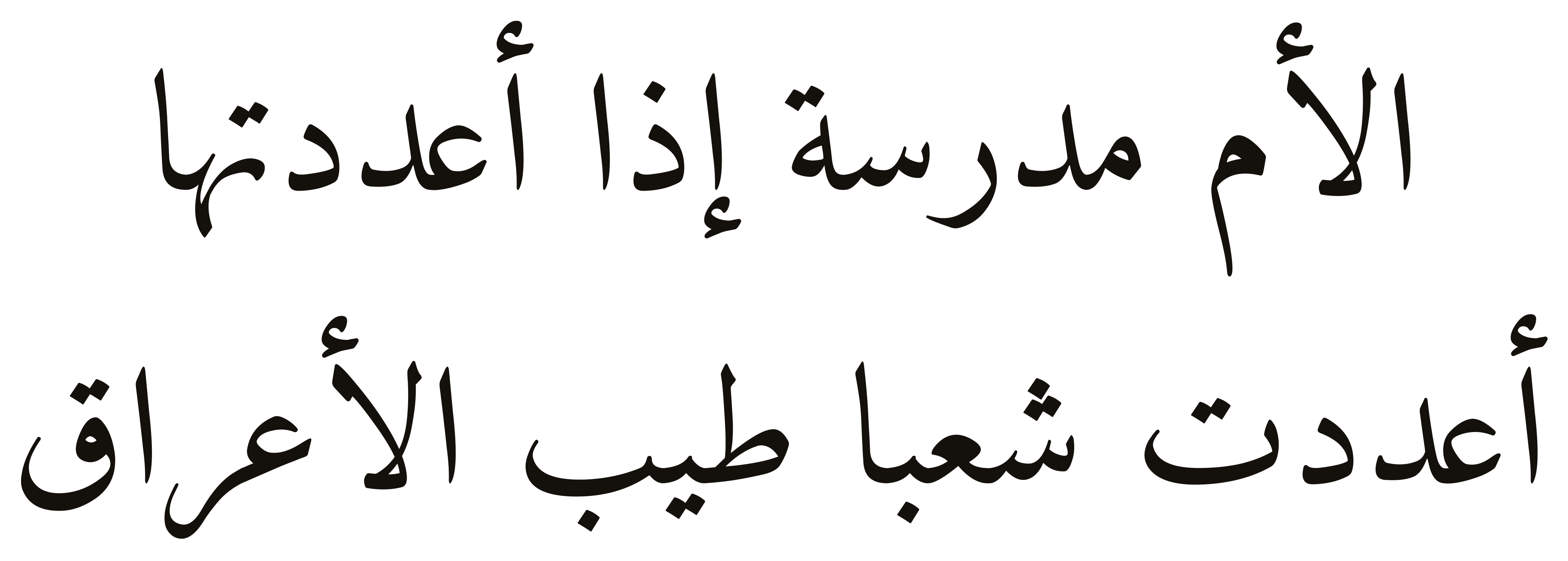
The mother is a school: prepare her, and you prepare a people of good stock
الأم مدرسة إذا أعددتها أعددت شعبا طيب الأعراق
From Hafez Ibrahim’s poem on knowledge and character, recited on Mother’s Day; the poem goes on to argue for women’s education.
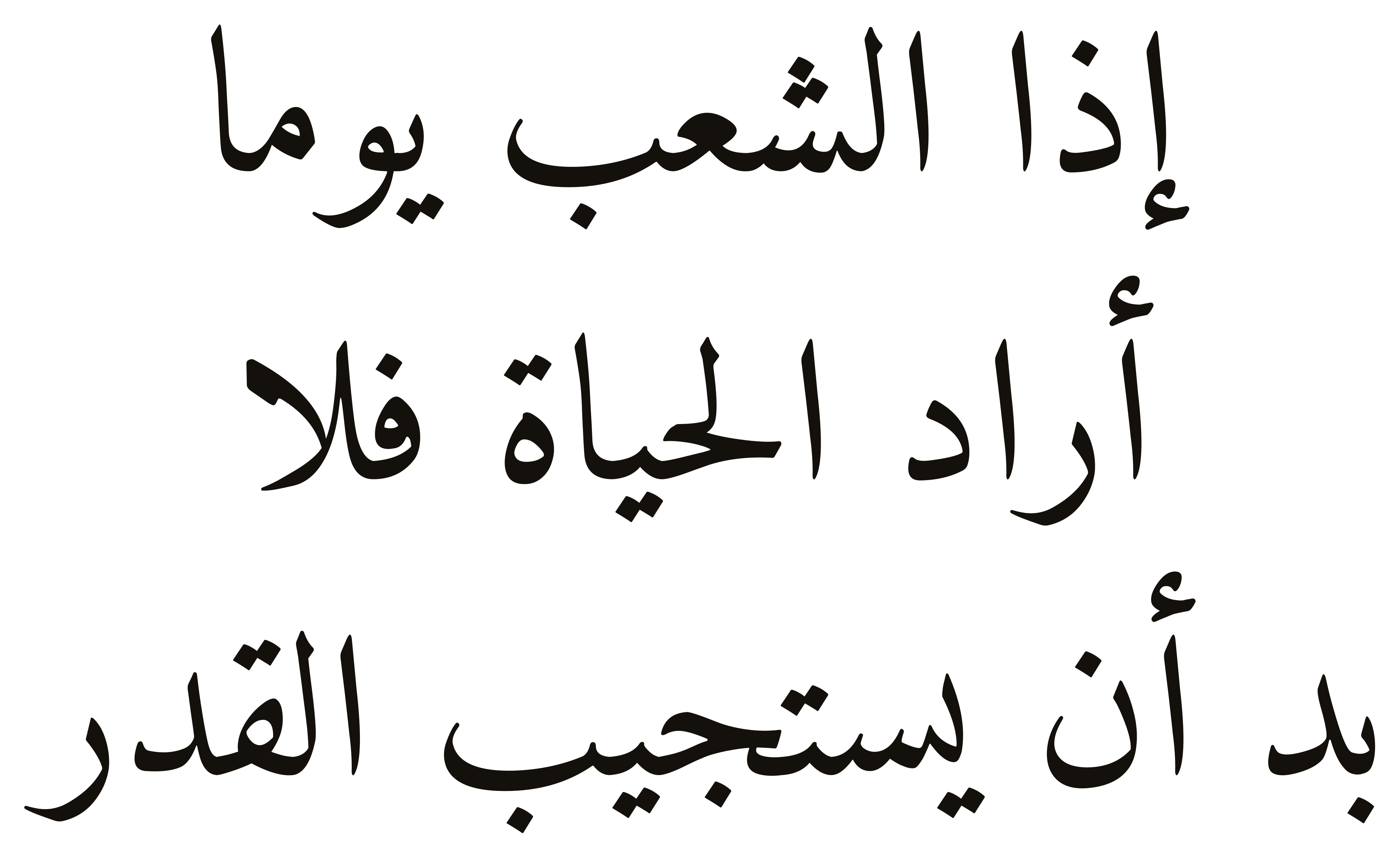
When a people one day wills to live, fate must answer
إذا الشعب يوما أراد الحياة فلا بد أن يستجيب القدر
The opening line of “The Will to Live” (1933) by Abu al-Qasim al-Shabbi; its first two lines were later taken into the Tunisian national anthem.

Be beautiful, and you will see existence beautiful
كن جميلا تر الوجود جميلا
The refrain of Elia Abu Madi’s poem “The Philosophy of Life”: the one who complains is answered that beauty is in the eye that looks.
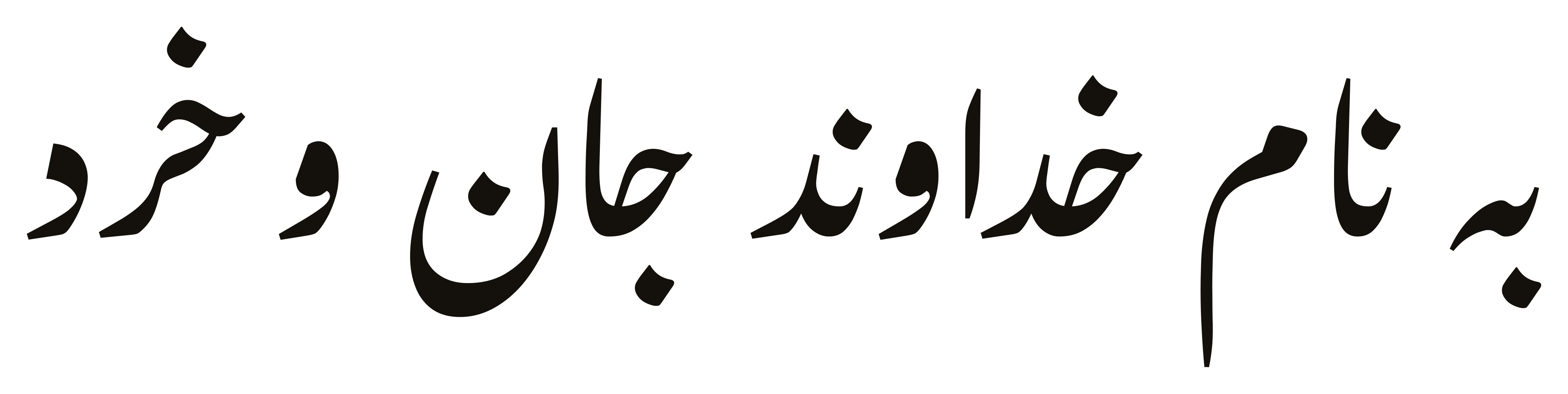
In the name of the Lord of life and wisdom
به نام خداوند جان و خرد
The first line of the Shahnameh; the line continues: “beyond whom thought cannot pass.”
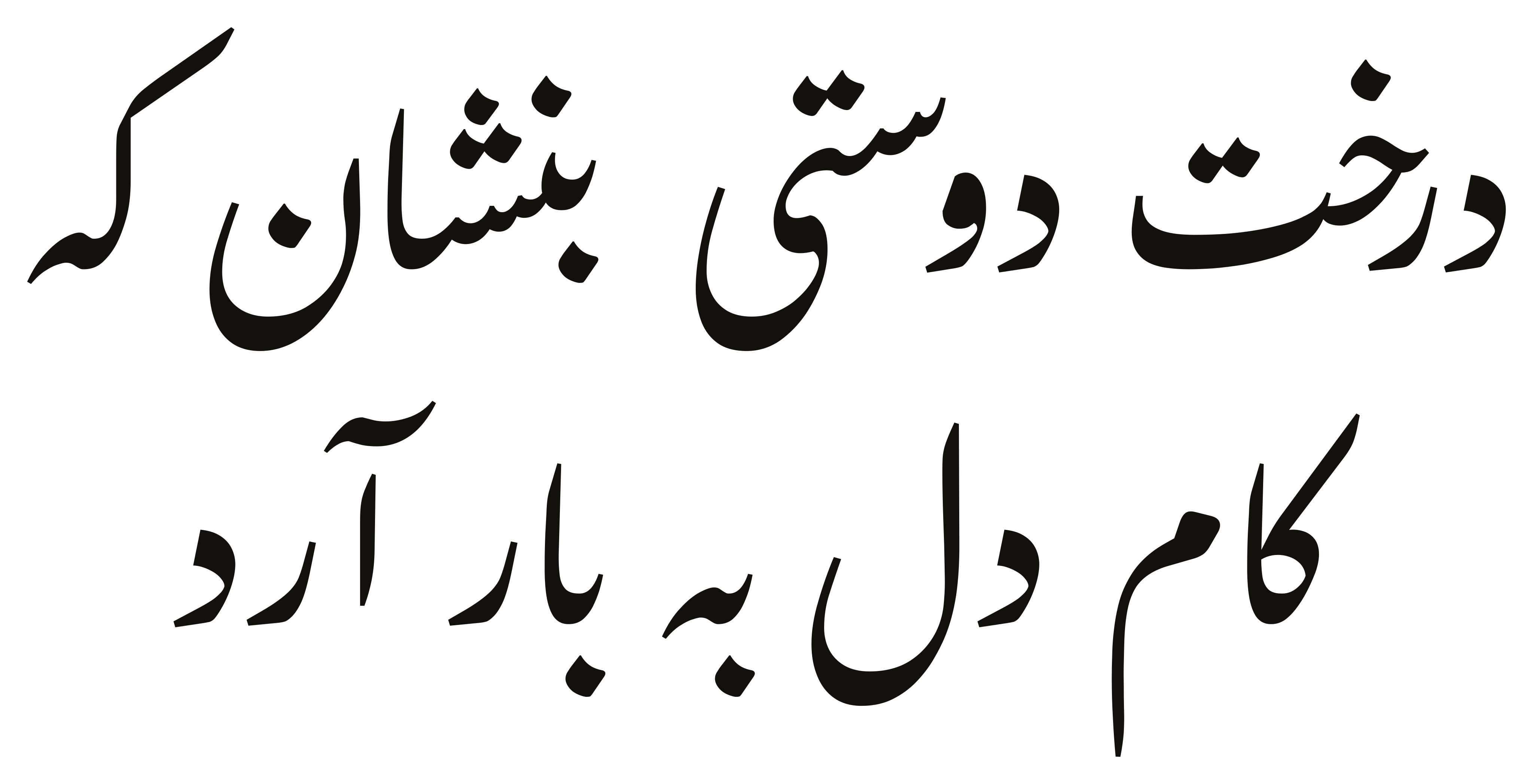
Plant the tree of friendship: it bears the heart’s desire
درخت دوستی بنشان که کام دل به بار آرد
The opening line of Ghazal 115 of the Divan (ganjoor.net); the line continues: “uproot the sapling of enmity, which brings pain without number.”
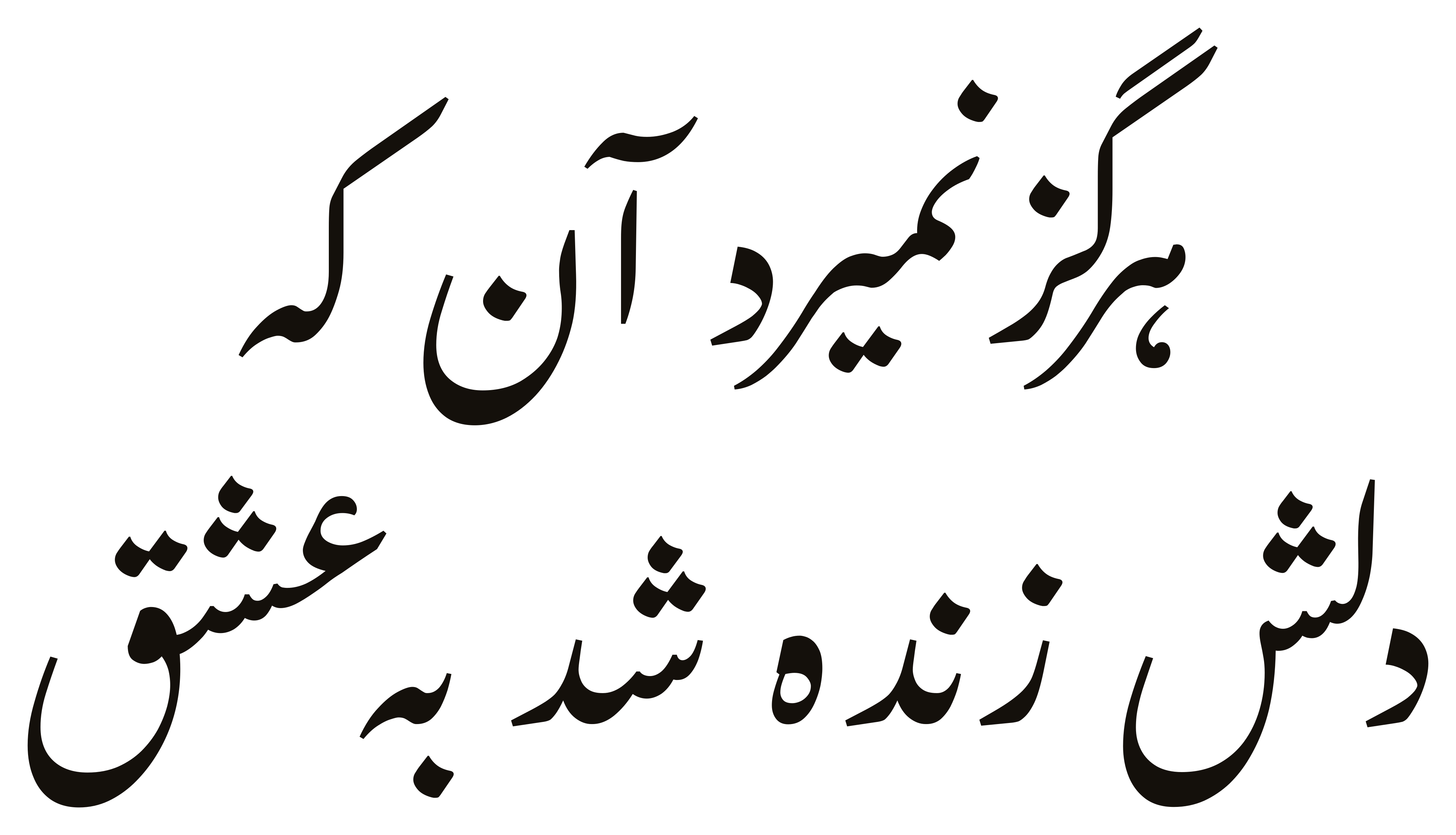
The one whose heart came alive with love never dies
هرگز نمیرد آن که دلش زنده شد به عشق
From Ghazal 11 of the Divan (ganjoor.net); the line continues: “our permanence is written in the register of the world.”
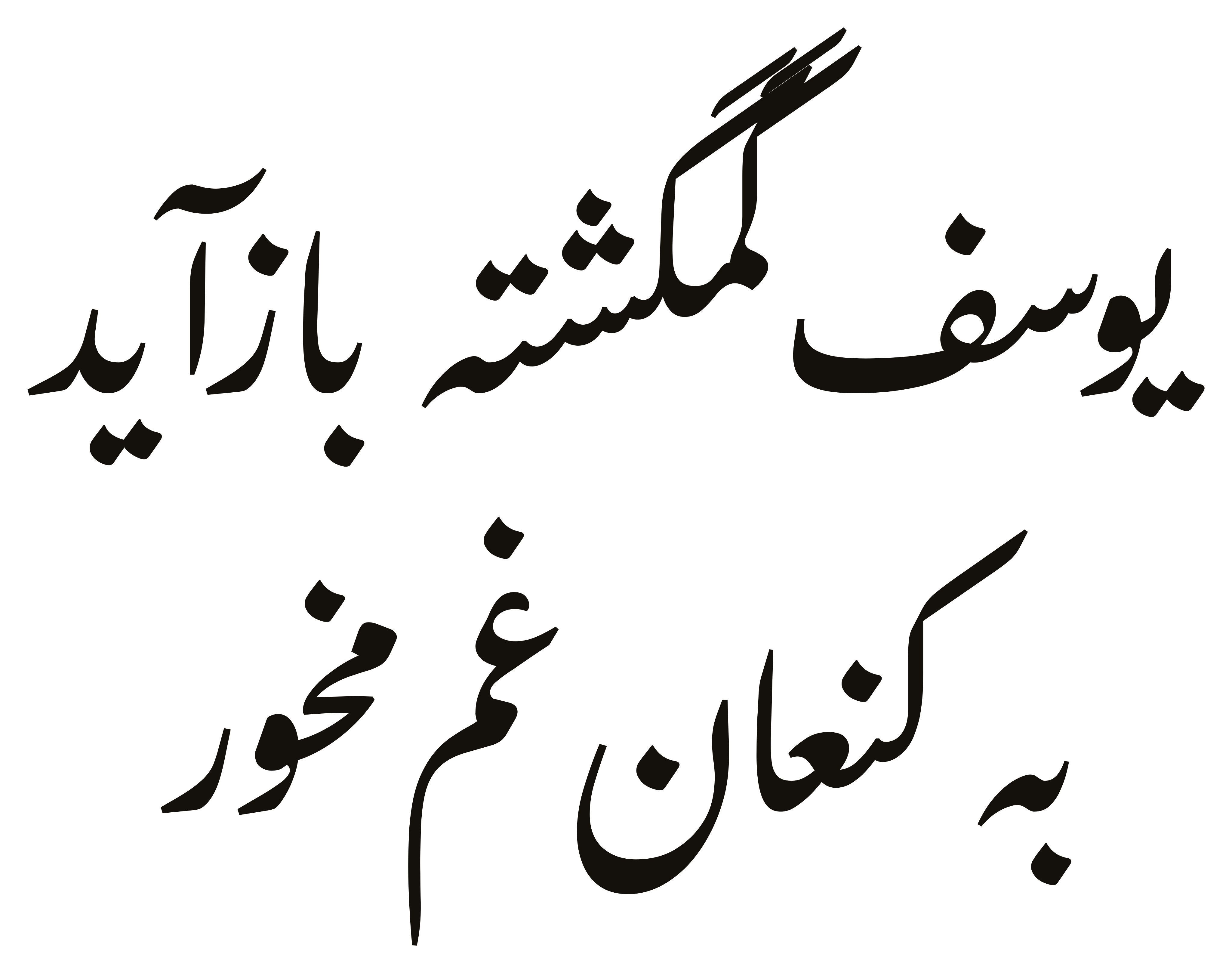
Lost Joseph will return to Canaan — do not grieve
یوسف گمگشته بازآید به کنعان غم مخور
The opening line of Ghazal 255 (ganjoor.net), the ghazal of consolation whose every line ends “do not grieve”.
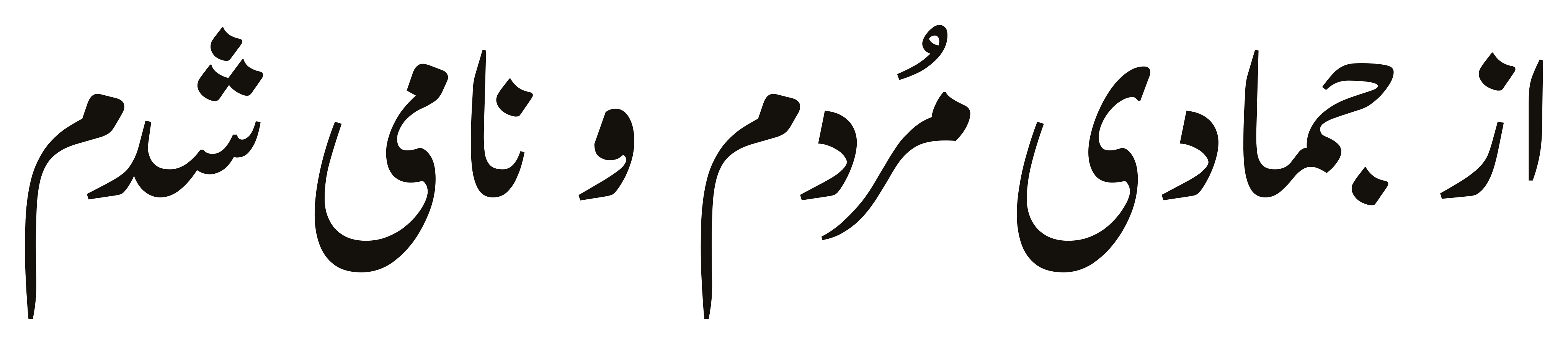
I died from the mineral and became a plant
از جمادی مُردم و نامی شدم
From the third book of the Masnavi: the passage in which each death is a step up — mineral, plant, animal, human — and asks “when did I grow less by dying?”
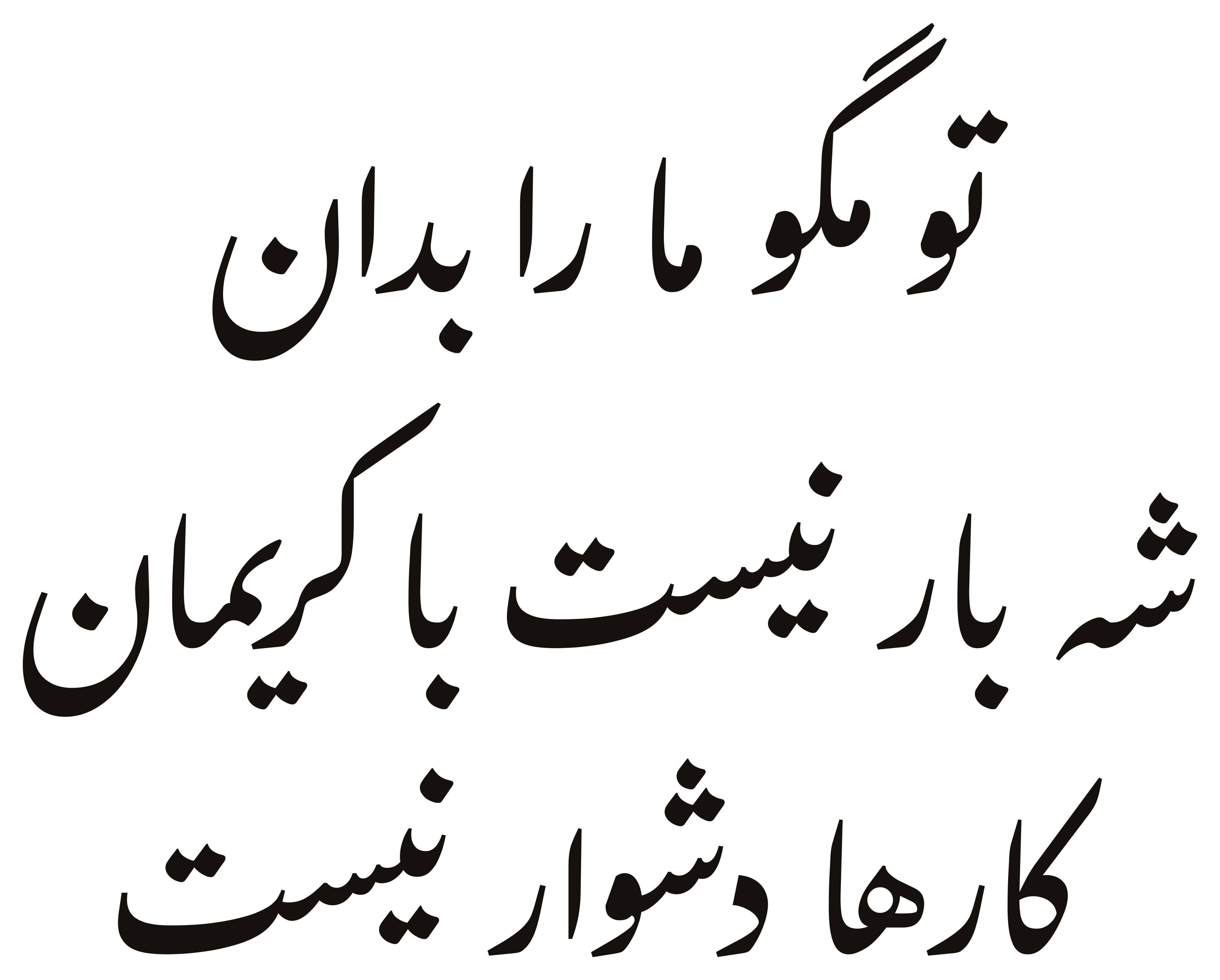
Do not say we have no access to that King; with the generous, nothing is hard
تو مگو ما را بدان شه بار نیست با کریمان کارها دشوار نیست
A couplet from the first book of the Masnavi, quoted as a line of hope: the door of the generous is not closed.
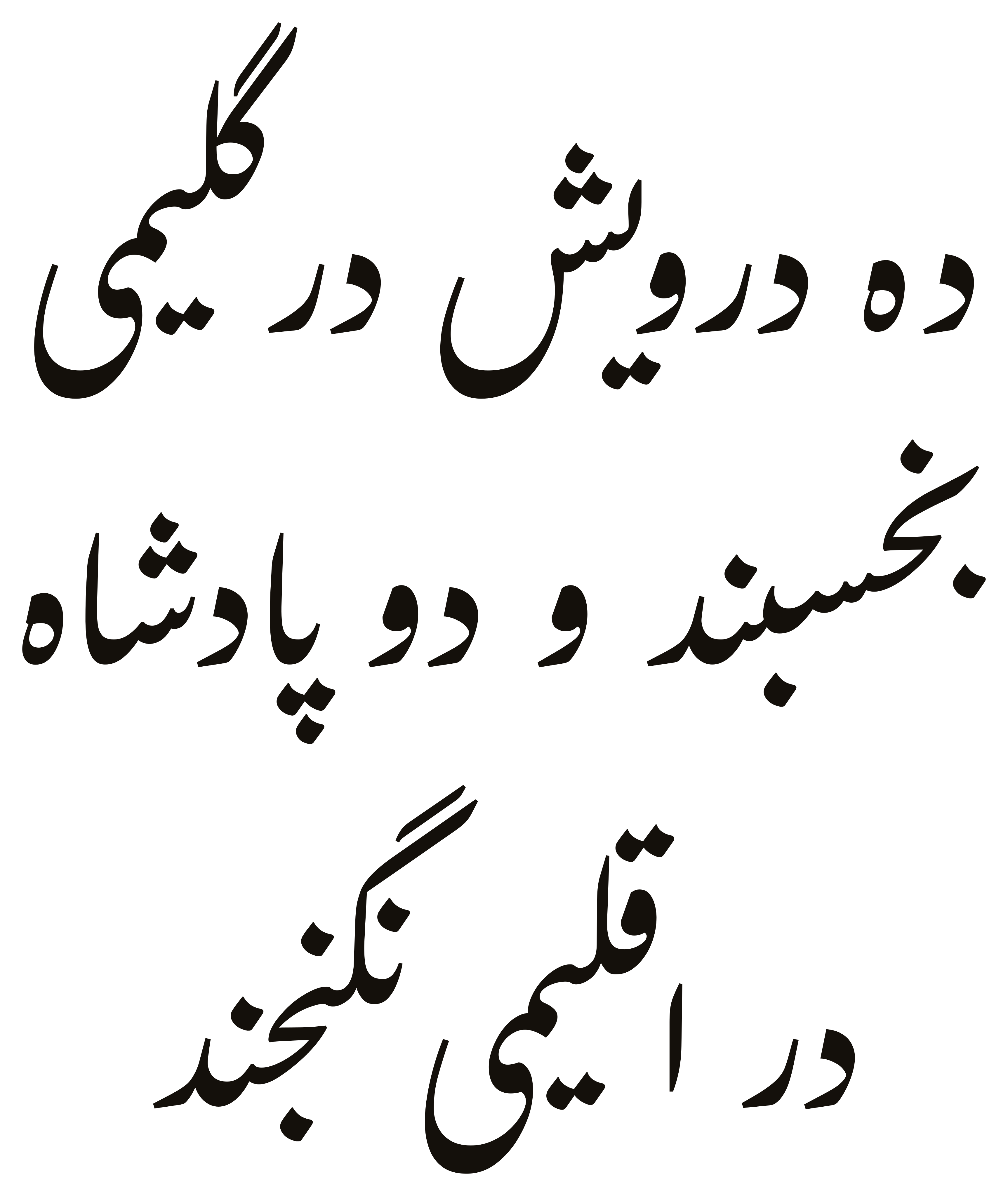
Ten dervishes sleep under one blanket; two kings do not fit in one realm
ده درویش در گلیمی بخسبند و دو پادشاه در اقلیمی نگنجند
A maxim in the first story of the Golestan (fa.wikisource.org): the reason a father divides his realm among quarrelling sons. Prose in the original, and written on walls as a line.
Attributed saying
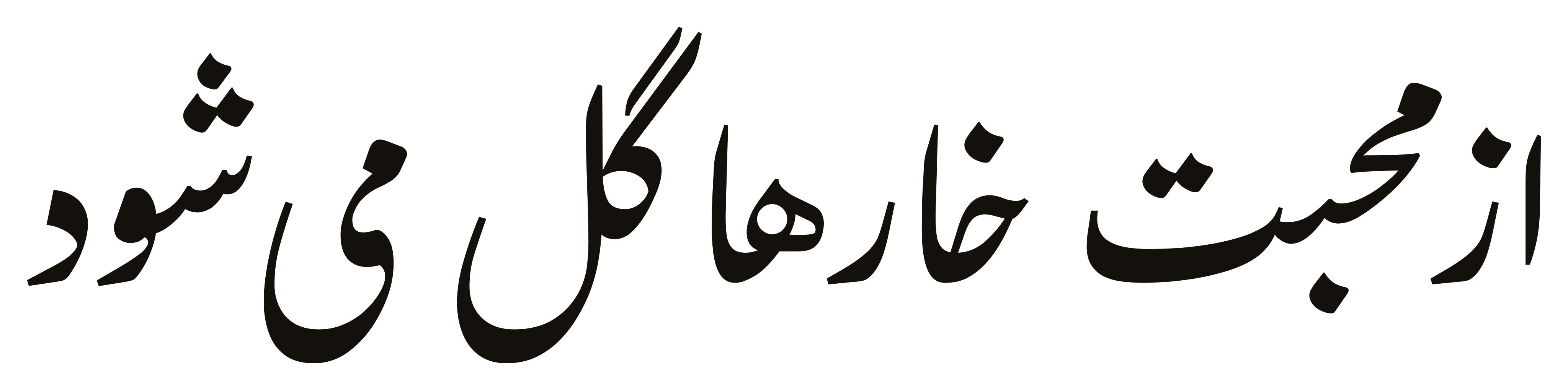
Through love, thorns become flowers
از محبت خارها گل میشود
Popularly given to Rumi and widely printed that way. It is not securely placed in the Masnavi or the Divan-e Shams, so this page says “attributed” rather than pretending to a reference it cannot give.
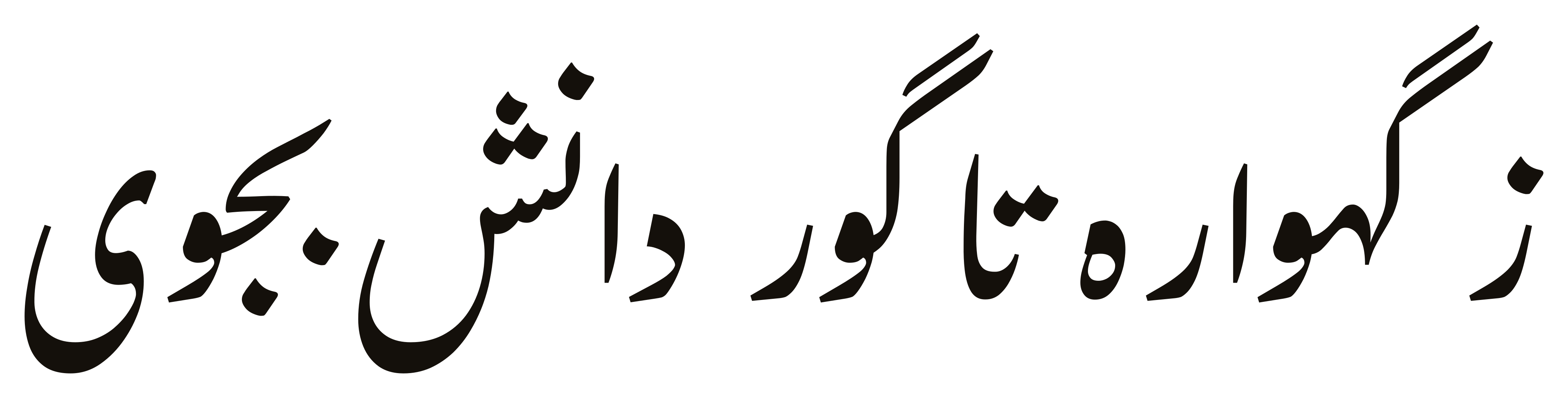
Seek knowledge from the cradle to the grave
ز گهواره تا گور دانش بجوی
A Persian rendering of a saying that circulates in Arabic too. It is quoted as a proverb far more often than it is traced, and no dīwān reference is offered here because none can be given honestly.
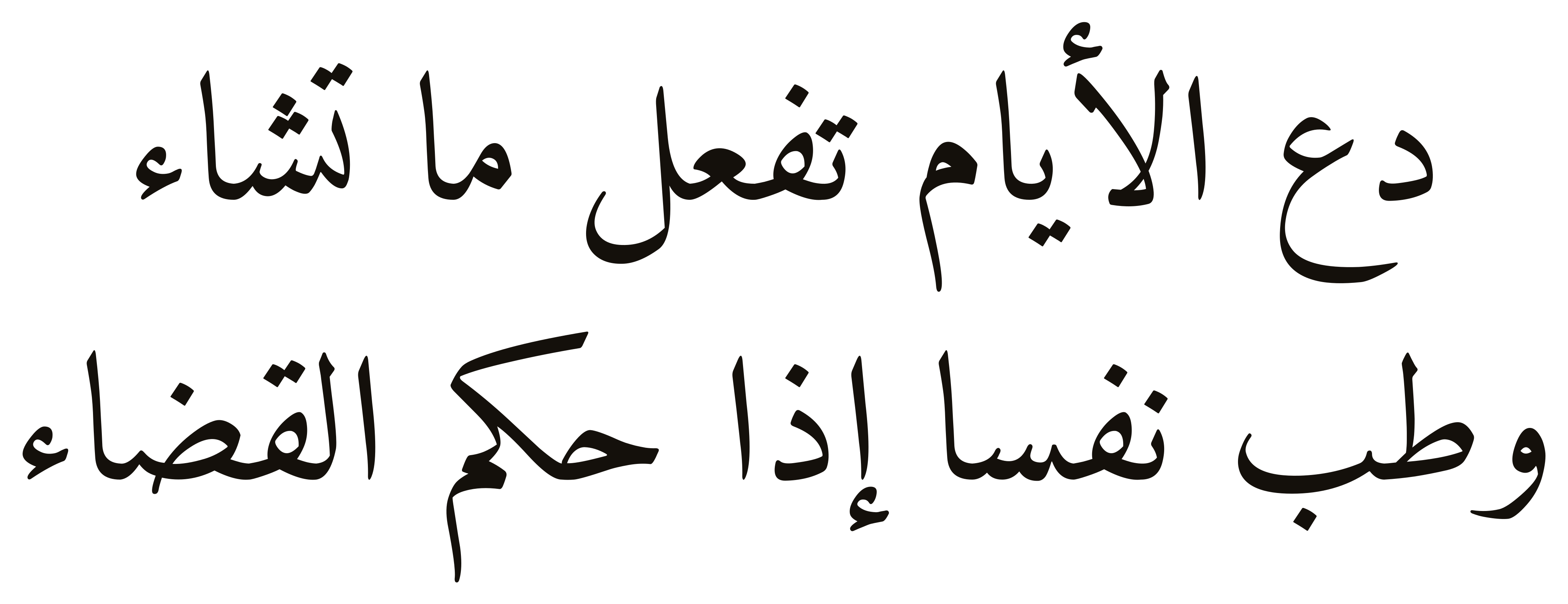
Let the days do as they will, and be at peace when the decree has passed
دع الأيام تفعل ما تشاء وطب نفسا إذا حكم القضاء
Popularly given to Imam al-Shafiʿi and printed in the dīwān that carries his name — a collection assembled long after him, whose attributions scholars contest; so this page says “attributed”.
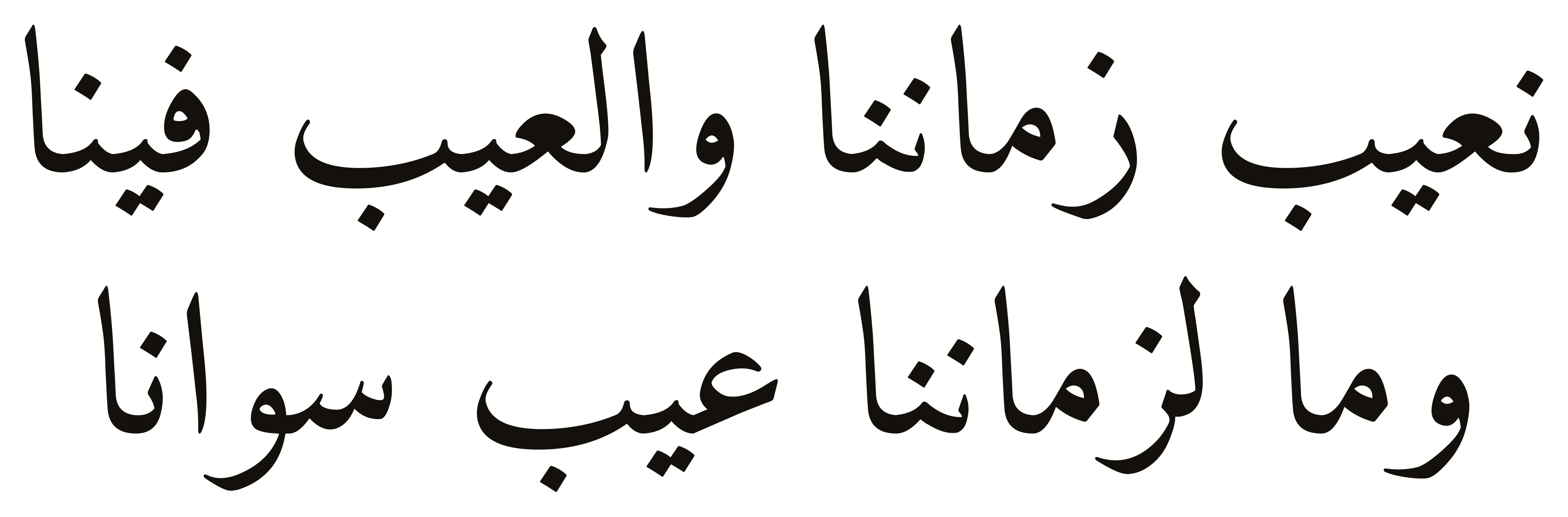
We blame our age, and the fault is ours; our age has no fault but us
نعيب زماننا والعيب فينا وما لزماننا عيب سوانا
Popularly given to Imam al-Shafiʿi, in the dīwān assembled under his name centuries later; the attribution is contested, so this page says “attributed”.
Last reviewed: 2026-11-15